
Breaking Free from Addiction: How Musicians Can Stay Creative in Recovery

For musicians, music is more than a career—it is a form of expression, a way to connect with emotions, and a lifeline through life’s challenges. Yet the pressures of the industry, combined with personal struggles, can make musicians particularly vulnerable to substance use. Drugs and alcohol may seem like tools to boost creativity, manage stress, or cope with performance anxiety. The truth is that addiction can erode both health and artistry. The good news is that recovery does not mean losing your creativity. With the right support, musicians can break free from addiction while maintaining—and even enhancing—their artistic expression.

Understanding the Connection Between Music and Addiction

Music naturally stimulates the brain’s reward system, releasing dopamine and creating feelings of joy and fulfillment. Substances like alcohol, opioids, or stimulants can mimic this effect, intensifying pleasure and temporarily enhancing focus. For some musicians, this creates a dangerous association between creativity and substance use. Over time, reliance on these artificial highs can lead to dependency, negatively affecting mental health, relationships, and professional performance.

The Pressures Musicians Face

Musicians face unique challenges that can exacerbate the risk of addiction. Touring schedules, late-night performances, and public scrutiny can contribute to stress and emotional fatigue. The industry often expects consistent creativity, while personal life may be unpredictable or isolating. For many, substances initially appear to be a solution to manage anxiety, boost energy, or enhance inspiration. Unfortunately, this short-term relief often leads to long-term consequences.

Staying Creative in Recovery

Recovery offers an opportunity to rediscover artistry in a more sustainable and fulfilling way. Sobriety allows musicians to access their emotions clearly, think more creatively, and build resilience. Many artists find that their work becomes richer and more authentic once they are no longer dependent on substances.

Holistic and Individualized Support

At Atlantic Canadian Music, recovery programs are designed to address the unique needs of musicians. Holistic care integrates mental health treatment, therapy, creative expression, and optional faith-based support. Each treatment plan is individualized, ensuring clients receive guidance that aligns with their personal goals and lifestyle.

Inpatient and Outpatient Care Options

Inpatient programs provide structured support in a safe environment, helping musicians focus on healing without external pressures. Outpatient care allows individuals to maintain personal and professional responsibilities while receiving ongoing therapy, group support, and counseling. Both approaches emphasize compassionate, client-centered care designed to promote long-term recovery and creative fulfillment.

Practical Strategies for Musicians in Recovery

  1. Develop Healthy Routines: Consistent practice schedules, exercise, and mindfulness practices can replace unhealthy coping mechanisms.
  2. Reconnect with Inspiration: Journaling, songwriting, or collaborating with peers can help maintain creative momentum.
  3. Build a Support Network: Surrounding yourself with mentors, peers, and professionals who understand both music and recovery reinforces resilience.
  4. Seek Professional Guidance: Personalized therapy and counseling can address underlying mental health challenges while supporting addiction recovery.

Reclaiming Both Life and Music

Addiction does not have to define a musician’s journey. Breaking free is possible, and recovery can strengthen both creativity and personal well-being. At Atlantic Canadian Music, compassionate, holistic, and individualized care helps musicians reclaim their health while preserving the art that defines them. If you or a loved one is struggling with substance use, reach out today. Recovery is not just about quitting substances—it is about rediscovering the music within yourself and creating a sustainable, fulfilling future.
Breaking the Cycle: Finding Sobriety Without Losing the Music

For many musicians, music is not just a passion but a lifeline. It is the language through which emotions, experiences, and dreams are expressed. Yet, the same creative energy that drives great music can also make artists vulnerable to addiction. The highs of performance, the pressure to produce, and the emotional weight of the industry can lead some to rely on substances for relief or inspiration. But the truth is clear: you can find sobriety without losing the music. In fact, recovery often brings deeper creativity, clarity, and purpose.

The Struggle Between Art and Addiction

Music and addiction have long been intertwined. From rock legends to modern performers, stories of substance use often accompany stories of success. For many, drugs or alcohol may start as a way to handle anxiety, enhance creativity, or manage the demands of fame and performance. Over time, however, these substances begin to take more than they give, dulling inspiration, damaging health, and eroding relationships.

When the Music Becomes a Mask

Artists are known for channeling deep emotions into their work, but this emotional sensitivity can also make them more susceptible to pain. Substances often become a way to escape or numb that pain, especially when combined with industry pressures. Late nights, constant travel, and the expectation to always deliver can create a cycle that feels impossible to escape. What begins as coping quickly becomes dependency, and the very thing that once fueled creativity starts to destroy it.

Rediscovering Music Through Recovery

Recovery does not silence the artist within. It strengthens it. Sobriety allows musicians to reconnect with their craft in more authentic and sustainable ways. Without the haze of addiction, artists often find their creativity sharpened, their emotions clearer, and their connection to music more meaningful.

At Atlantic Canadian Music, recovery programs are designed to meet artists where they are, offering holistic and individualized care that addresses both addiction and mental health. This approach recognizes that healing is not one-size-fits-all. Some find strength in faith-based support, while others benefit most from therapeutic practices that include mindfulness, creative expression, and emotional regulation.

Inpatient and Outpatient Healing Options

For those who need structure and focus, inpatient treatment provides a safe, supportive space to break free from the grips of addiction. It allows individuals to reset mentally and physically while surrounded by compassionate professionals. Outpatient programs offer flexibility, supporting recovery while allowing musicians to continue working, creating, and performing. Both paths are built around the same core values: empathy, respect, and the belief that everyone deserves a second chance at life and art.

The Harmony Between Healing and Creativity

One of the greatest fears musicians face in recovery is losing their creative spark. Yet, many discover the opposite. Sobriety removes the fog that substances create and restores emotional authenticity. Music becomes a tool for healing rather than escape. Through therapy, mindfulness, and healthy coping strategies, artists learn to channel their emotions into their music in ways that are honest, sustainable, and inspiring.

A New Song of Hope

Breaking free from addiction does not mean leaving music behind. It means reclaiming it. Sobriety offers musicians the freedom to create, perform, and live without being controlled by substances. If you or someone you love is struggling with addiction, Atlantic Canadian Music is here to help. With holistic, faith-based, and personalized care, you can find recovery that not only saves your life but strengthens your art. The journey toward healing begins with one step—and from that step, a new song can begin.

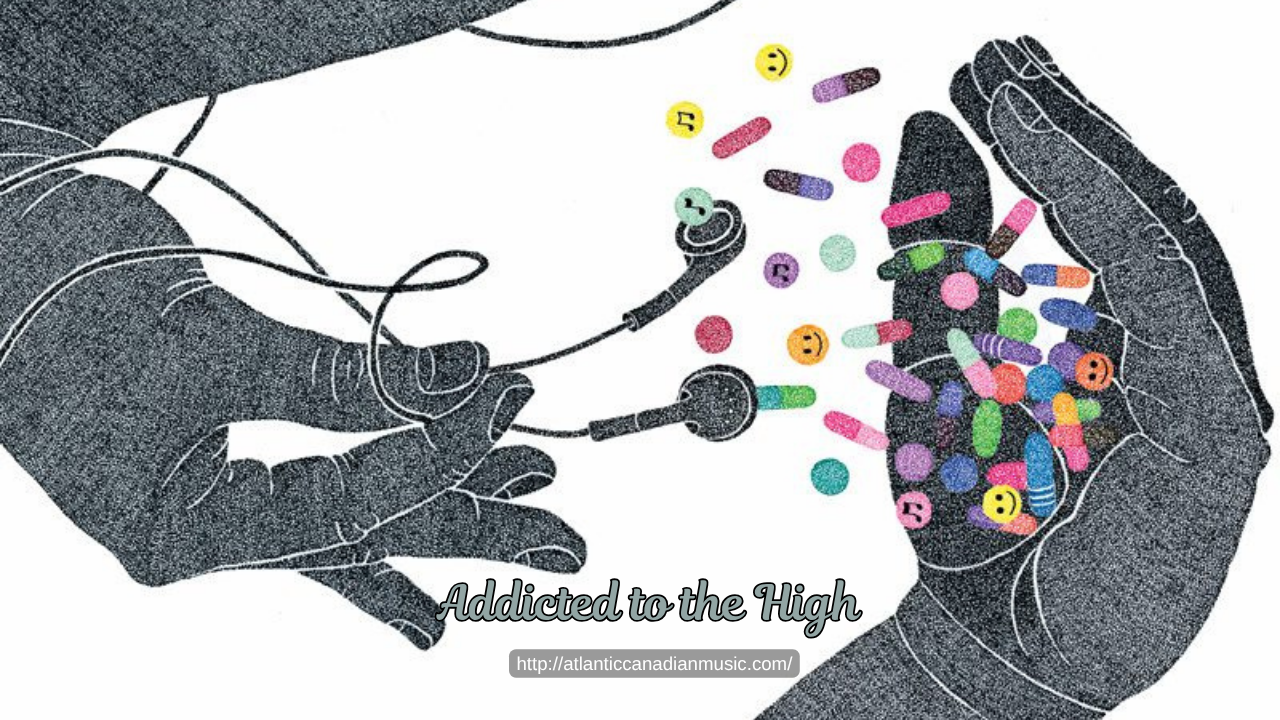
Addicted to the High: Music’s Role in Substance Use Culture

Music has always been a reflection of human experience. It tells stories of love, loss, rebellion, and resilience. Yet within its rhythms and lyrics lies another recurring theme: substance use. From the smoky jazz clubs of the 1940s to the rock and hip-hop anthems of today, drugs and alcohol have often been woven into the identity of musical culture. For many artists and fans, the association between music and substance use runs deep. But what begins as creative freedom can quickly spiral into a cycle of dependence and pain.

The Relationship Between Music and Substance Use

Throughout history, music has both mirrored and magnified social behaviors, including substance use. Many genres celebrate or normalize drinking, partying, and using drugs as a way to enhance creativity or escape reality. Musicians often describe substances as tools for inspiration, performance confidence, or coping with fame and emotional turmoil.

However, the line between artistic expression and personal harm is thin. What starts as experimentation can evolve into dependency, as the brain becomes conditioned to associate creative highs with chemical ones. The same dopamine that rewards us for listening to a great song can be hijacked by substances, leading to an ongoing search for the next rush.

The Pressure Behind the Performance

The music industry can be relentless. Long tours, erratic schedules, and public scrutiny create intense emotional strain. Artists are expected to perform flawlessly while constantly creating new, innovative work. For some, substances become a way to manage stress, silence self-doubt, or stay energized during demanding performances. Over time, what feels like control often becomes a trap. Addiction quietly takes hold, affecting health, relationships, and the very creativity that once seemed limitless.

How Music Influences Perception of Addiction

Music shapes cultural attitudes, and its influence can extend beyond entertainment. Songs that glorify or trivialize drug and alcohol use can desensitize listeners to the real dangers of addiction. Fans may emulate the lifestyles of their musical idols without recognizing the underlying struggles many of those artists face.

At the same time, there is a growing shift in the industry. More musicians are using their platforms to speak openly about recovery, mental health, and healing. This honesty is helping to reshape public perception, breaking the stigma around addiction and encouraging conversations about getting help.

Recovery: Reclaiming the Music Without the Substances

At Atlantic Canadian Music, the focus is on healing the whole person—mind, body, and spirit. Addiction recovery programs are designed to help individuals understand the root causes of substance use while developing healthy coping skills. Through holistic and faith-based options, clients are guided to reconnect with their passions and find meaning in sobriety.

Inpatient care provides a safe and supportive environment for intensive healing, while outpatient programs offer flexibility for those balancing recovery with personal or professional commitments. Each treatment plan is individualized, ensuring that every person receives care tailored to their unique journey.

A New Song of Recovery and Hope

Recovery is not the end of creativity—it is a return to it. Many musicians find that sobriety brings clarity, deeper emotion, and a renewed connection to their art. Free from the haze of addiction, they rediscover their purpose and power in music that uplifts rather than destroys.

Choosing Healing Over the High

Music will always be intertwined with human emotion, but addiction does not have to be part of the story. If you or someone you love is struggling with substance use, help is available. At Atlantic Canadian Music, compassionate professionals are ready to guide you toward recovery through evidence-based treatment, holistic healing, and genuine care. Take the first step today and reclaim both your music and your life.