
From Chaos to Clarity: Maintaining Your Musical Passion in Sobriety

For musicians, creativity is often intertwined with emotion, energy, and personal experience. Unfortunately, the same intensity that fuels artistry can sometimes lead to substance use. Drugs and alcohol may seem like tools to cope with stress, enhance inspiration, or manage the pressures of performance. Over time, however, dependence on substances can disrupt focus, harm health, and even threaten a musician’s career. Sobriety offers a path to reclaim both life and art, providing clarity, resilience, and renewed creative passion.

Understanding the Challenges Musicians Face

Musicians encounter unique pressures that increase vulnerability to addiction. Touring schedules, late-night performances, and public scrutiny can create stress that feels unmanageable. The constant expectation to produce innovative music while maintaining personal and professional responsibilities adds further strain. Substances may initially appear to provide relief or spark creativity, but they often lead to cycles of chaos, emotional volatility, and diminished artistic output.

How Addiction Impacts Creativity

While some artists believe substances enhance their creative edge, research shows that long-term use impairs cognitive function, emotional regulation, and memory. Many musicians experience periods of inspiration followed by burnout, anxiety, or depression. Addiction can make the creative process feel unpredictable and exhausting, eroding the joy of making music. Recognizing this pattern is the first step toward reclaiming both creativity and well-being.

Rediscovering Music in Sobriety

Sobriety allows musicians to reconnect with their artistry on a deeper, more authentic level. Without the influence of substances, creativity can flow naturally, rooted in genuine emotion and focus. Many artists find that sobriety brings renewed clarity, emotional insight, and a sense of purpose that enhances both performance and songwriting.

Holistic and Individualized Support

Atlantic Canadian Music offers recovery programs specifically designed for musicians, combining addiction treatment with mental health care and holistic support. Individualized treatment plans address each client’s unique challenges, integrating therapy, creative expression, and optional faith-based guidance. This personalized approach helps musicians rebuild their lives while preserving their artistic identity.

Inpatient and Outpatient Options

Inpatient programs provide a structured, supportive environment for intensive recovery, allowing musicians to focus entirely on healing. Outpatient programs offer flexibility for those balancing work, performance, or family obligations while receiving ongoing therapy, counseling, and group support. Both options prioritize compassionate, client-centered care, ensuring each person has the tools to maintain long-term sobriety and creativity.

Practical Tips for Maintaining Creativity in Recovery

  1. Establish Routine: Consistent practice schedules and healthy daily habits reinforce focus and inspiration.
  2. Explore New Influences: Collaborating with peers or experimenting with different genres can spark fresh ideas.
  3. Utilize Healthy Coping Mechanisms: Mindfulness, journaling, and therapy support emotional regulation without relying on substances.
  4. Build a Support Network: Mentors, peers, and recovery professionals provide guidance, accountability, and encouragement.

A Life and Music Reimagined

Recovery does not mean sacrificing musical passion. On the contrary, sobriety allows musicians to regain clarity, emotional depth, and sustainable inspiration. At Atlantic Canadian Music, compassionate, holistic, and individualized care empowers artists to navigate recovery while maintaining their creative edge. If you or someone you love is struggling with substance use, take the first step today. Moving from chaos to clarity is possible, and your music can flourish alongside your health and well-being.

Healing Through Harmony: The Journey to Recovery for Musicians

For musicians, music is more than an art form; it is a lifeline, a way to process emotions, and a source of identity. Yet the same creativity that fuels inspiration can sometimes become entangled with addiction. The pressures of performance, irregular schedules, and public scrutiny can make musicians vulnerable to substance use. While drugs and alcohol may appear to enhance creativity or relieve stress, they often lead to cycles of dependency, emotional strain, and health risks. Recovery offers a path to restore both health and artistic passion, proving that musicians can heal without losing their music.

Understanding Addiction in the Music Industry

Musicians face unique challenges that contribute to a higher risk of substance use. Long tours, late-night performances, and the pressure to constantly innovate create stress that can feel overwhelming. Substance use may initially provide relief or inspiration, but over time it hijacks the brain’s reward system, diminishing natural motivation and creativity.

How Addiction Affects Creativity

While substances may create the illusion of enhanced performance, they often impair focus, memory, and emotional clarity. Many musicians find that their work suffers, relationships become strained, and mental health declines. The cycle of highs and lows can be exhausting, making it increasingly difficult to create without relying on chemicals.

Rediscovering Art Through Recovery

Recovery allows musicians to reconnect with their craft in a more authentic and sustainable way. Sobriety restores clarity, emotional depth, and cognitive function, enabling artists to create work that is both inspired and grounded. Many musicians report that their most powerful and meaningful compositions emerge after embracing recovery, proving that creativity does not require substances—it thrives in health and balance.

Holistic and Individualized Treatment

At Atlantic Canadian Music, recovery programs are designed with the unique needs of musicians in mind. Holistic approaches integrate mental health therapy, creative expression, and optional faith-based support. Individualized treatment ensures each client receives care tailored to their personal history, goals, and artistic ambitions, fostering both healing and growth.

Inpatient and Outpatient Options

Inpatient programs provide structured, immersive care, allowing musicians to focus entirely on recovery while receiving support from trained professionals. Outpatient programs offer flexibility for those balancing work or family commitments, providing therapy, counseling, and group support while maintaining daily responsibilities. Both programs prioritize compassionate, client-centered care and long-term success.

Strategies to Sustain Creativity in Sobriety

  1. Establish Healthy Routines: Consistent practice schedules and self-care habits help maintain focus and inspiration.
  2. Explore New Creative Outlets: Collaborations, songwriting workshops, or experimenting with new genres can renew artistic energy.
  3. Build a Support Network: Mentors, peers, and recovery professionals provide encouragement, accountability, and guidance.
  4. Prioritize Mental Health: Therapy, mindfulness, and stress management techniques help musicians manage challenges without relying on substances.

Harmony in Life and Music

Recovery is not the end of artistry; it is the beginning of a more sustainable, fulfilling creative journey. Musicians can reclaim their health, rebuild relationships, and create work that resonates with authenticity and emotional depth. At Atlantic Canadian Music, compassionate, holistic, and individualized care empowers artists to heal while preserving the music that defines them. If you or a loved one is struggling with addiction, take the first step toward recovery today. Healing through harmony is possible, and your music can thrive alongside your well-being.

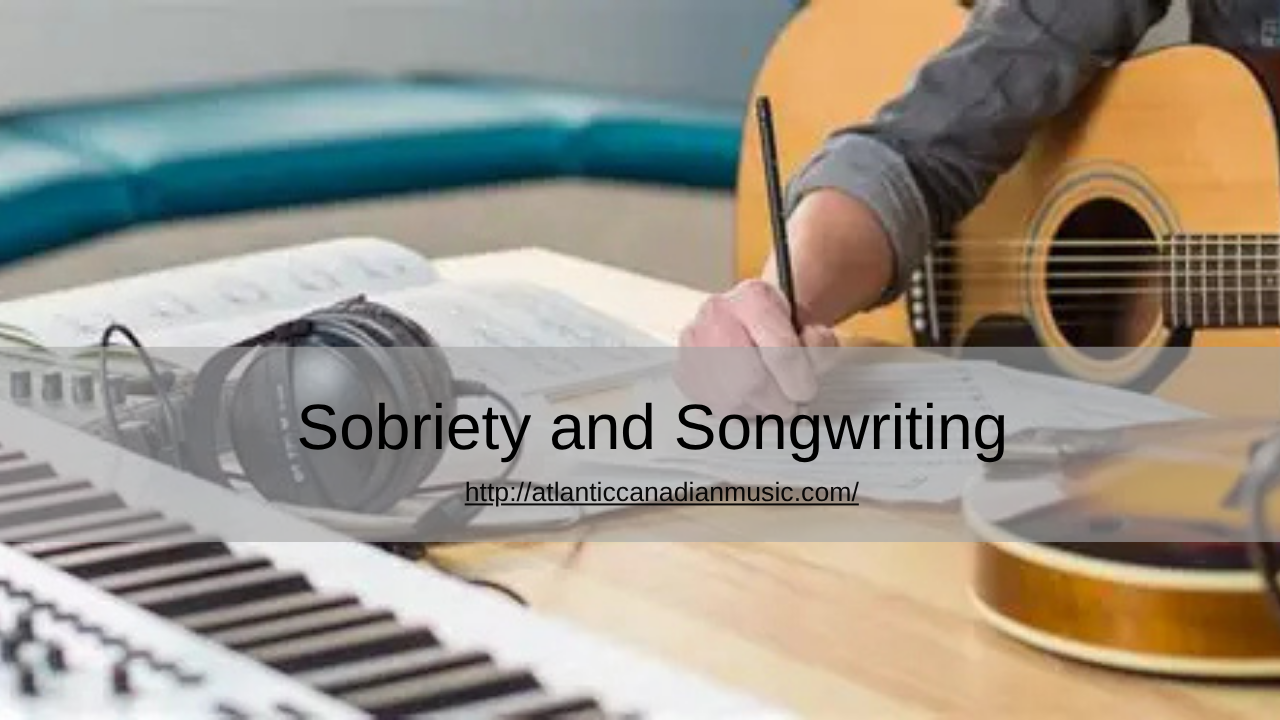
Sobriety and Songwriting: Reclaiming Your Music Without Substances

For many musicians, songwriting is a deeply personal and emotional journey. It is a way to process experiences, express creativity, and connect with audiences. Yet for some artists, this creative process has been intertwined with substance use. Drugs and alcohol may seem like tools to enhance inspiration, ease anxiety, or maintain energy, but over time, they can undermine both mental health and artistic potential. The good news is that musicians can reclaim their craft in sobriety. Recovery not only restores health but often strengthens creativity, focus, and emotional depth.

The Impact of Substances on Creativity

Substances affect the brain’s reward system, producing temporary feelings of euphoria or heightened focus. While these effects may seem to aid songwriting, they come at a cost. Prolonged use can impair cognitive function, hinder emotional regulation, and disrupt memory. Many musicians experience cycles of creative bursts followed by emotional crashes, missed deadlines, or decreased productivity. What may feel like inspiration is often a temporary mask for underlying stress, anxiety, or depression.

Why Musicians Are Vulnerable

Musicians face unique pressures that increase the risk of substance use. Irregular schedules, touring demands, financial uncertainty, and public scrutiny create stress that can be difficult to manage. The expectation to consistently produce compelling work adds another layer of pressure. For some, substances appear to provide a shortcut to performance confidence or creative flow. Over time, however, reliance on chemicals replaces healthy coping strategies and makes the creative process feel dependent on artificial highs.

Reclaiming Music Through Sobriety

Recovery is not about sacrificing artistry; it is about restoring it. Sobriety allows musicians to engage fully with their emotions, sharpen focus, and cultivate authentic creativity. Many artists find that once substances are removed, they can access deeper emotional truths and create work that resonates more powerfully with themselves and their audiences.

Holistic and Individualized Support

At Atlantic Canadian Music, recovery programs are tailored to meet the needs of musicians. Holistic care integrates mental health treatment, therapy, creative expression, and optional faith-based guidance. Each treatment plan is individualized, helping clients address the root causes of substance use while building strategies for sustainable well-being and creativity.

Inpatient and Outpatient Care Options

Inpatient programs provide structured, immersive support, allowing musicians to focus entirely on recovery and personal growth. Outpatient programs offer flexibility, enabling artists to continue creative work while participating in therapy, counseling, and group support. Both approaches emphasize compassionate, client-centered care designed to promote long-term recovery and artistic flourishing.

Strategies for Maintaining Creativity in Recovery

  1. Establish Routine: Consistent practice schedules and healthy daily habits support both creativity and mental health.
  2. Explore New Inspirations: Engaging in new experiences, collaborations, or genres can renew creative energy.
  3. Use Healthy Coping Tools: Mindfulness, journaling, or therapy helps manage stress without relying on substances.
  4. Build a Support Network: Connecting with peers, mentors, and professionals reinforces resilience and accountability.

Healing Without Losing the Music

Sobriety does not mean sacrificing your artistry. On the contrary, it allows musicians to reclaim their craft with clarity, emotional depth, and sustainable inspiration. At Atlantic Canadian Music, compassionate, holistic, and individualized care supports musicians in navigating recovery while maintaining their creative edge. If you or a loved one is struggling with substance use, reach out today. Healing and artistic fulfillment can coexist, offering a future where music thrives alongside health and well-being.