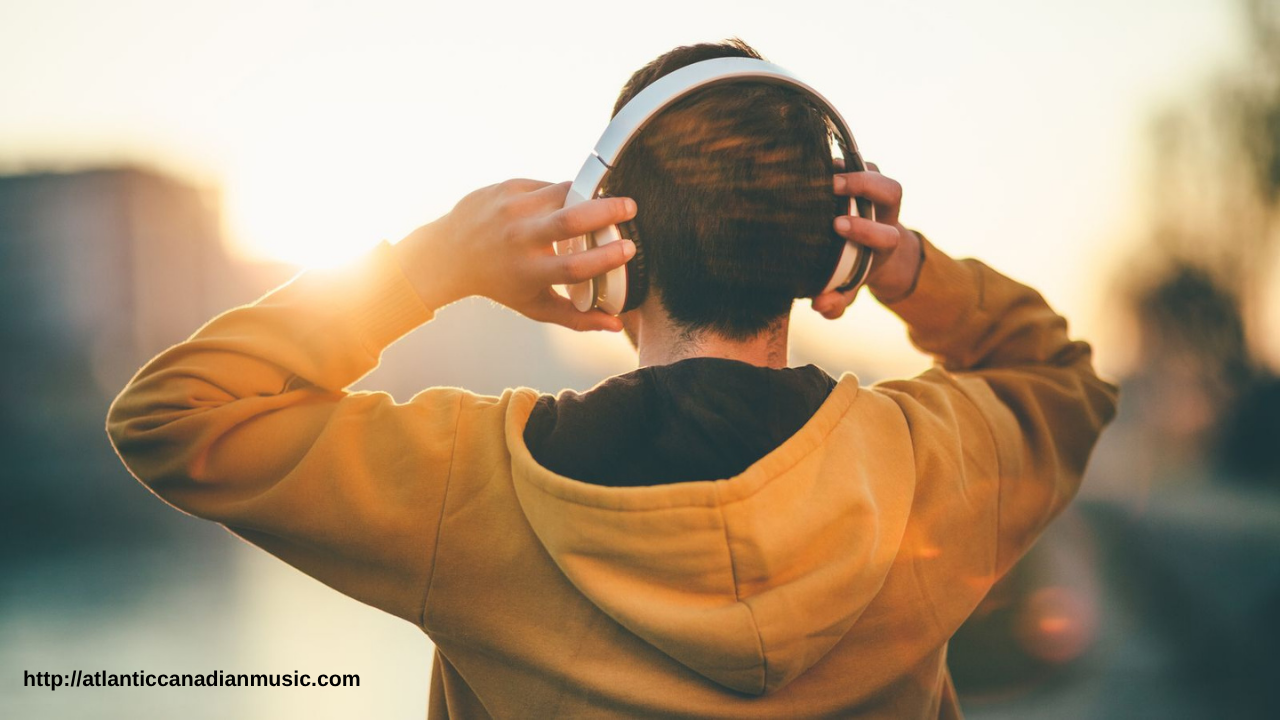
Music is one of the most powerful emotional experiences known to humankind. It can uplift, heal, inspire, and transport listeners to euphoric heights. However, for many musicians and fans alike, the pursuit of these highs can blur the line between natural emotional expression and artificial escapism. When music and addiction collide, the results are often tragic, reflecting a deeper issue within both the industry and human psychology.
The Emotional High of Music
Listening to or performing music stimulates the brain’s reward system, releasing dopamine, the chemical responsible for pleasure and motivation. This rush can feel like a natural high, providing moments of joy, connection, and transcendence. For musicians, performing on stage in front of thousands of fans can create an adrenaline-fueled euphoria that is hard to replicate offstage.
However, this intense emotional experience has a downside. When the music stops and the stage lights dim, the sudden return to everyday life can leave a void. Many musicians find themselves chasing that on-stage high, sometimes turning to drugs and alcohol to fill the gap. What begins as an attempt to manage stress or recreate a feeling of exhilaration can quickly spiral into addiction.
The Culture of Excess
The music industry has a long history of glorifying excess. Phrases like “sex, drugs, and rock & roll” became synonymous with the lifestyle of artists who lived on the edge. In certain circles, drug use is still seen as part of the creative process or a badge of authenticity. This cultural narrative pressures musicians to conform to unhealthy patterns, reinforcing the link between music and substance abuse.
Furthermore, the demands of touring, long nights in the studio, and the pressure to constantly produce can drive artists to seek relief through substances. Drugs and alcohol become coping mechanisms for stress, loneliness, and emotional exhaustion. Over time, addiction takes hold, often silently, until it becomes too big to ignore.
The Toll of Addiction
When addiction collides with music, careers are frequently cut short. The list of talented musicians lost to substance abuse is heartbreakingly long, from Janis Joplin and Jimi Hendrix to Amy Winehouse and Mac Miller. Even those who survive addiction often face years of struggle, damaged relationships, and compromised health.
The myth that drugs enhance creativity has also contributed to this problem. While some artists may feel temporarily inspired under the influence, addiction usually diminishes creative output, impairs performance, and isolates individuals from their support systems.
Toward Recovery and Change
Despite these challenges, many musicians have found recovery and reclaimed their lives. Artists like Eminem, Steven Tyler, and Demi Lovato have shared their sobriety journeys, breaking the stigma around addiction and proving that creativity can thrive without substances.
Organizations such as MusiCares and Backline provide tailored resources for musicians in recovery, helping them navigate sobriety while maintaining their careers.
Conclusion
Chasing the high of music is natural, but when that pursuit leads to addiction, it becomes a dangerous trap. By acknowledging the emotional risks, dismantling harmful cultural narratives, and promoting support for recovery, the music industry can help artists find balance, health, and sustainable creative success.