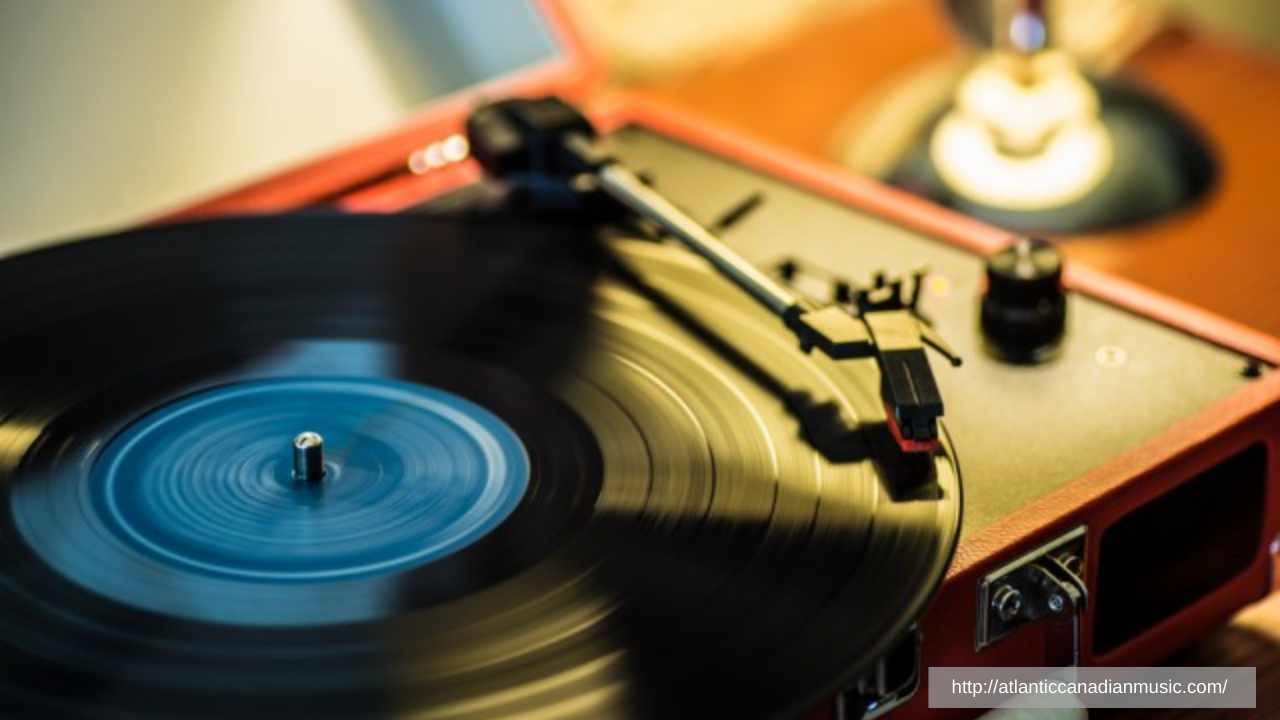
Music is one of the most powerful forces in human life. A favorite song can spark joy, stir memories, or soothe pain within seconds. Science tells us that music activates the brain’s reward system, releasing dopamine, the same chemical that fuels feelings of pleasure and motivation. But the same pathways that make music so moving are also activated by drugs and alcohol. This overlap explains why musicians, and even listeners, sometimes find themselves caught in a dangerous cycle where melodies and substances intertwine.
The Dopamine Connection
Dopamine is often called the brain’s “feel-good” chemical. Both music and addictive substances can trigger its release, creating intense feelings of euphoria. For musicians, the rush of performing live or writing a song can feel similar to the high of using substances. Over time, the brain may begin to crave not only the music but also the artificial boost provided by drugs or alcohol. This overlap makes it easy for music and addiction to become entangled.
Why Musicians Are at Risk
The lifestyle of a musician can intensify this connection. Late nights, demanding schedules, and the pressure to deliver emotionally raw performances can leave artists vulnerable. Substances may initially seem like a tool for inspiration or stress relief, but they can quickly shift from support to dependency. What starts as a way to enhance creativity or calm nerves can become a destructive pattern that undermines both health and artistry.
When the Music Stops
Addiction is not only a neurological struggle but also an emotional and spiritual one. The very joy that music brings can fade when substances take over, leaving artists isolated, anxious, or depressed. Families and fans often see the outward success but not the private battles. Without intervention, the cycle of chasing dopamine through unhealthy means can lead to relapse, lost opportunities, and even tragedy.
Breaking the Cycle with Holistic Healing
At Atlantic Canadian Music’s recovery programs, treatment is designed with these unique challenges in mind. Recovery is not just about removing substances but about restoring balance in every area of life. That means addressing mental health struggles, healing relationships, and rebuilding purpose.
A holistic, faith-based, and individualized approach recognizes that each person’s path to healing is different. For some, inpatient care provides the structure and safety to reset away from external pressures. For others, outpatient care allows them to integrate recovery into daily life while continuing their personal and professional responsibilities. Alongside evidence-based therapies, creative outlets such as music therapy can help clients reconnect with the very art that once inspired them, but in a healthy way.
Finding a Healthier Rhythm
The myth that addiction fuels creativity is both dangerous and false. True artistry thrives in clarity, not chaos. By choosing recovery, musicians and individuals struggling with substance use can rediscover the joy of music without the shadow of addiction.
Take the Next Step
Addiction and music share a powerful connection through dopamine, but that connection does not have to end in despair. With compassionate care, holistic support, and personalized treatment, it is possible to break free from harmful cycles and create a future filled with both healing and harmony. If you or someone you love is struggling, reach out today. The first step toward recovery could be the first note in a new, healthier song.