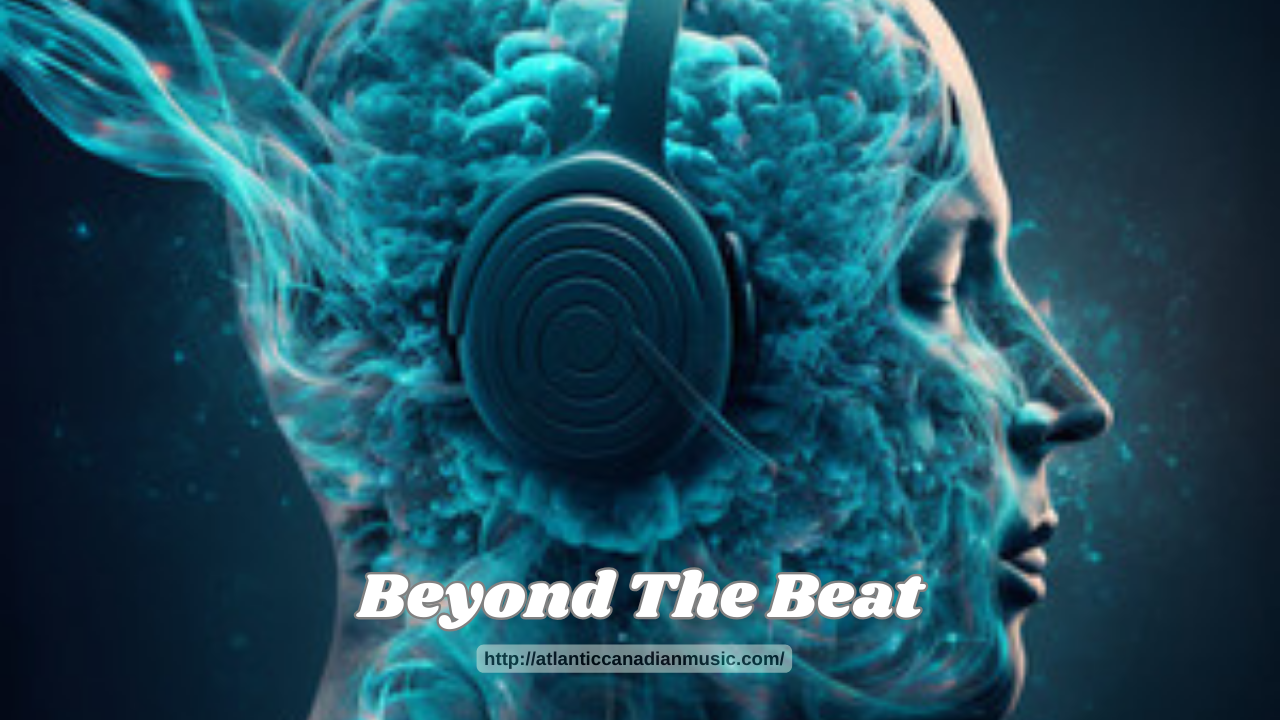
Music has the power to heal, inspire, and move people in ways words alone cannot. For musicians, creating and performing music is more than a career. It is a deeply emotional and neurological experience that taps into the brain’s pleasure and reward systems. Yet this same sensitivity that fuels creativity can also make musicians more vulnerable to substance use. Drugs and alcohol may appear to enhance creativity or relieve stress, but in reality, they hijack the brain, disrupt emotional balance, and endanger both health and artistry.
The Brain on Music
When someone listens to or creates music, the brain releases dopamine, the neurotransmitter responsible for pleasure and motivation. This natural reward helps explain the intense emotional highs artists feel when performing on stage or writing a song. For many musicians, these moments become addictive in themselves. However, when substances like alcohol, opioids, or stimulants are introduced, they artificially flood the brain with dopamine, tricking the mind into believing that greater highs are possible through chemicals rather than creativity.
The Slippery Slope
At first, using substances may seem harmless. Some artists believe it helps them write more freely, manage stage anxiety, or cope with the exhaustion of touring. But over time, the brain begins to prioritize the artificial highs of drugs or alcohol over the natural joy of music. This shift can lead to dependency, where substances become central to functioning, even as they erode mental health, relationships, and performance ability.
The Emotional Toll of Substance Use
The music industry often glorifies the image of the tortured, substance-fueled artist. In reality, the toll of addiction is far from glamorous. Substance use impairs focus, memory, and emotional resilience. It can strain personal connections and create cycles of isolation, shame, and depression. Many talented musicians lose years of creative potential, and in too many cases, lives are cut short because of untreated addiction.
Breaking Free Through Recovery
The good news is that recovery is possible. At Atlantic Canadian Music, treatment programs are designed with the unique challenges of musicians in mind. Holistic care integrates evidence-based therapies, mental health treatment, and opportunities for creative expression that allow clients to reconnect with music in healthier ways. For those seeking spiritual guidance, faith-based approaches are also available, providing strength and purpose in recovery.
Inpatient and Outpatient Options
Depending on individual needs, inpatient care offers a structured, supportive environment for intensive healing, while outpatient programs allow flexibility for those who want to continue working while receiving treatment. Both options emphasize compassionate, client-centered care, ensuring that each person has the tools and support necessary for long-term recovery.
Reclaiming Music Without Substances
True artistry thrives in clarity, not chaos. Musicians who embrace recovery often rediscover deeper inspiration, stronger performance, and renewed purpose. Healing allows them to experience the joy of music without relying on artificial highs. By addressing both addiction and underlying emotional struggles, recovery supports not just survival but sustainable creativity and fulfillment.
A Path Toward Healing
Substances may hijack the musical mind, but they do not have to define the musician’s story. With the right support, recovery is possible, and music can once again be a source of joy rather than pain. If you or someone you care about is struggling, reach out to Atlantic Canadian Music today. Compassionate care, holistic healing, and personalized treatment can help you reclaim both your health and your creativity. The beat does not have to stop.