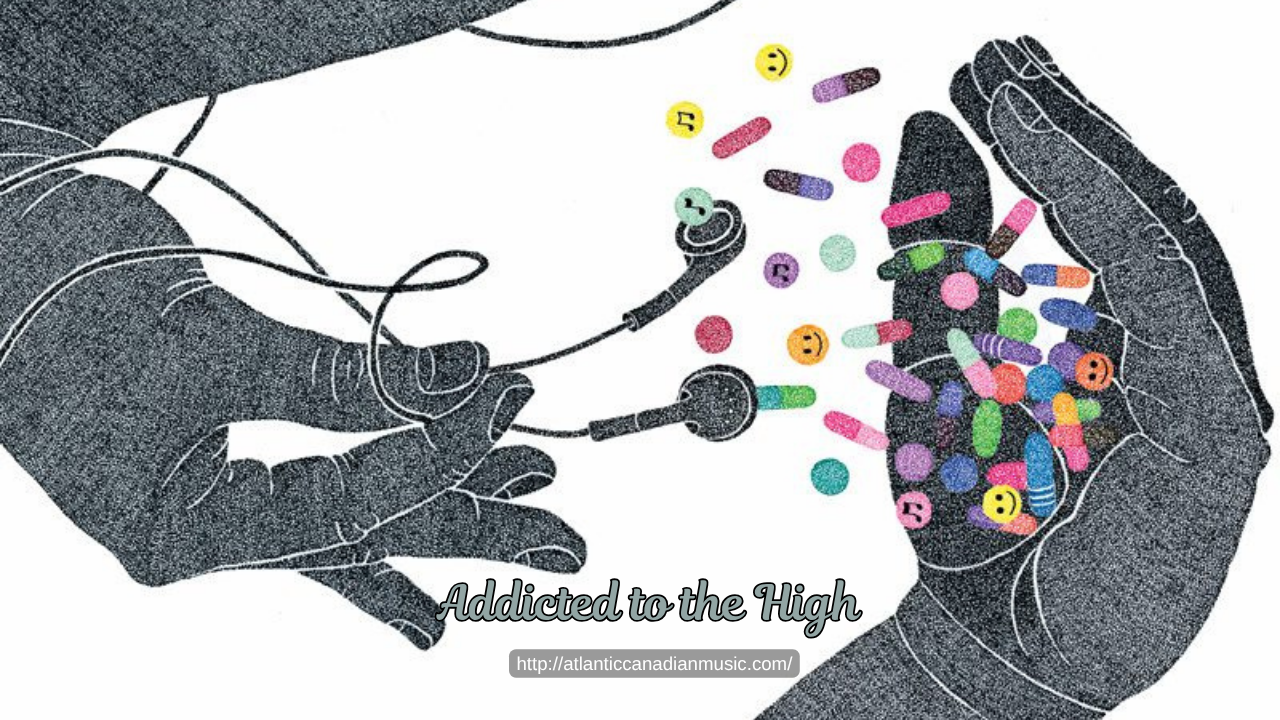
Music has always been a reflection of human experience. It tells stories of love, loss, rebellion, and resilience. Yet within its rhythms and lyrics lies another recurring theme: substance use. From the smoky jazz clubs of the 1940s to the rock and hip-hop anthems of today, drugs and alcohol have often been woven into the identity of musical culture. For many artists and fans, the association between music and substance use runs deep. But what begins as creative freedom can quickly spiral into a cycle of dependence and pain.
The Relationship Between Music and Substance Use
Throughout history, music has both mirrored and magnified social behaviors, including substance use. Many genres celebrate or normalize drinking, partying, and using drugs as a way to enhance creativity or escape reality. Musicians often describe substances as tools for inspiration, performance confidence, or coping with fame and emotional turmoil.
However, the line between artistic expression and personal harm is thin. What starts as experimentation can evolve into dependency, as the brain becomes conditioned to associate creative highs with chemical ones. The same dopamine that rewards us for listening to a great song can be hijacked by substances, leading to an ongoing search for the next rush.
The Pressure Behind the Performance
The music industry can be relentless. Long tours, erratic schedules, and public scrutiny create intense emotional strain. Artists are expected to perform flawlessly while constantly creating new, innovative work. For some, substances become a way to manage stress, silence self-doubt, or stay energized during demanding performances. Over time, what feels like control often becomes a trap. Addiction quietly takes hold, affecting health, relationships, and the very creativity that once seemed limitless.
How Music Influences Perception of Addiction
Music shapes cultural attitudes, and its influence can extend beyond entertainment. Songs that glorify or trivialize drug and alcohol use can desensitize listeners to the real dangers of addiction. Fans may emulate the lifestyles of their musical idols without recognizing the underlying struggles many of those artists face.
At the same time, there is a growing shift in the industry. More musicians are using their platforms to speak openly about recovery, mental health, and healing. This honesty is helping to reshape public perception, breaking the stigma around addiction and encouraging conversations about getting help.
Recovery: Reclaiming the Music Without the Substances
At Atlantic Canadian Music, the focus is on healing the whole person—mind, body, and spirit. Addiction recovery programs are designed to help individuals understand the root causes of substance use while developing healthy coping skills. Through holistic and faith-based options, clients are guided to reconnect with their passions and find meaning in sobriety.
Inpatient care provides a safe and supportive environment for intensive healing, while outpatient programs offer flexibility for those balancing recovery with personal or professional commitments. Each treatment plan is individualized, ensuring that every person receives care tailored to their unique journey.
A New Song of Recovery and Hope
Recovery is not the end of creativity—it is a return to it. Many musicians find that sobriety brings clarity, deeper emotion, and a renewed connection to their art. Free from the haze of addiction, they rediscover their purpose and power in music that uplifts rather than destroys.
Choosing Healing Over the High
Music will always be intertwined with human emotion, but addiction does not have to be part of the story. If you or someone you love is struggling with substance use, help is available. At Atlantic Canadian Music, compassionate professionals are ready to guide you toward recovery through evidence-based treatment, holistic healing, and genuine care. Take the first step today and reclaim both your music and your life.