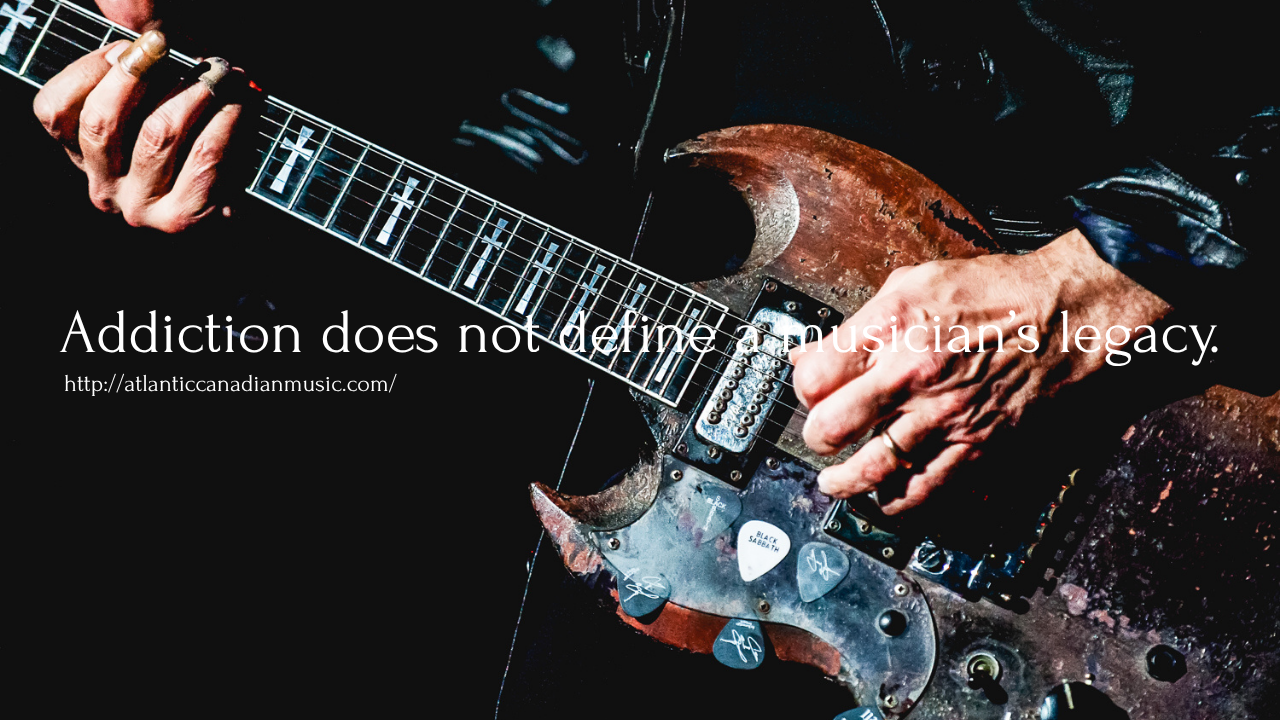
The music industry is no stranger to addiction. From the pressures of fame to the emotional depths of the creative process, many musicians have found themselves battling substance abuse. However, for every tragic story, there are also powerful narratives of resilience and recovery. Some artists not only beat addiction but also emerged with a renewed sense of purpose, using their experiences to inspire others and redefine their art.
Rising from the Ashes
Addiction can be a devastating force, but it can also be the catalyst for transformation. Artists like James Hetfield of Metallica and Steven Tyler of Aerosmith have publicly shared their journeys through addiction and recovery. After years of struggling with substance abuse, these musicians found strength in sobriety and continued to thrive creatively. Their recoveries didn’t stifle their genius—they enhanced it, bringing clarity, focus, and emotional depth to their work.
Eminem, one of the most successful rappers of all time, is another striking example. After nearly losing his life to an overdose, he sought treatment and embraced sobriety. In his post-recovery music, he addresses addiction with raw honesty, turning his personal struggles into anthems of survival. His evolution not only redefined his career but also offered hope to millions of listeners facing similar battles.
Finding Purpose Beyond Performance
For many musicians, recovery opened the door to new paths and passions beyond the stage. Some have become advocates for mental health and addiction awareness, using their platforms to destigmatize recovery. Macklemore, who has openly discussed his journey with addiction, frequently speaks at schools and recovery events, using his voice to support and uplift others.
Others, like Lady Gaga, have used their influence to champion mental health resources within the industry, recognizing the importance of addressing the root causes of addiction. Through advocacy and philanthropy, these artists are helping to change the culture of the music world, replacing silence and stigma with support and understanding.
The Power of Community and Support
Recovery is rarely a solo journey. Organizations such as MusiCares, Backline, and Recovery Unplugged provide vital resources tailored specifically for musicians. These programs offer counseling, financial aid, and sober support networks that understand the unique pressures of the music industry.
Connection and community are central to recovery. Many musicians credit support groups and peer mentorship as crucial components of their sobriety. By leaning on others who understand their struggles, they find strength and solidarity that helps sustain them through the highs and lows of life in music.
Conclusion
Addiction does not define a musician’s legacy. What truly defines them is the courage to face their demons, the strength to seek help, and the resilience to rebuild. The stories of artists who broke the cycle of addiction and found new purpose remind us that recovery is possible, and that true greatness often comes not from pain, but from healing. By celebrating these journeys, the music world can inspire a new generation of artists to embrace wellness, authenticity, and lasting creative freedom.