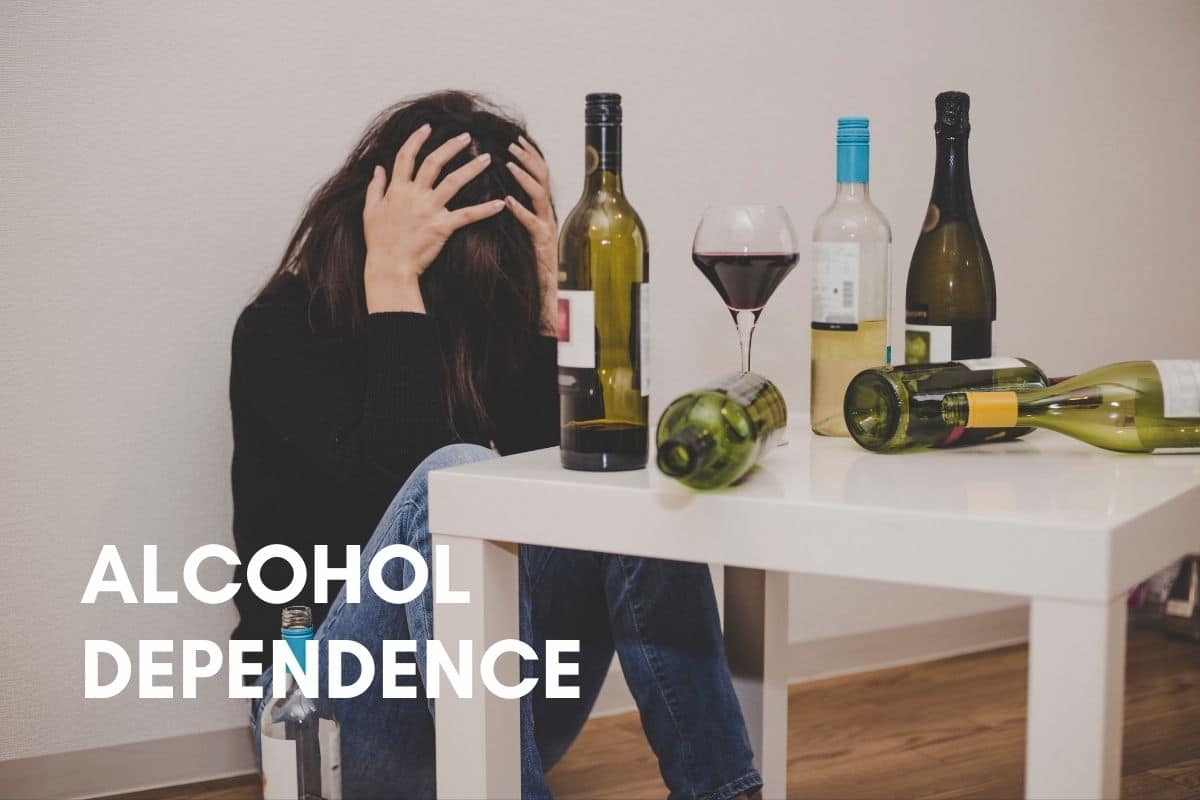
For musicians, music is more than a career—it is a form of self-expression, a way to connect with emotions, and a lifeline during life’s most challenging moments. Unfortunately, the pressures of the music industry can make artists vulnerable to substance use. Drugs and alcohol may seem like tools to enhance creativity, manage stress, or maintain performance stamina. Over time, however, reliance on substances can undermine both mental health and artistic potential. Recovery offers a path to reclaiming creativity while maintaining sobriety, providing musicians with clarity, focus, and renewed inspiration.
Understanding Addiction in the Music World
Musicians face unique pressures that increase the risk of addiction. Irregular schedules, long tours, and the constant expectation to produce high-quality work can create overwhelming stress. Substance use may initially appear to provide relief or inspiration, but it often becomes a cycle of dependency, affecting both personal well-being and professional performance.
How Substance Use Impacts Creativity
While some artists believe substances enhance their creative edge, long-term use often impairs focus, emotional regulation, and memory. Many musicians experience bursts of inspiration followed by burnout, anxiety, or depression. This cycle can make the creative process unpredictable and exhausting, making it difficult to create consistently without relying on substances.
Rediscovering Inspiration in Sobriety
Recovery allows musicians to engage with their artistry on a deeper and more authentic level. Sobriety restores mental clarity, emotional depth, and cognitive function, enabling artists to create work that is both meaningful and sustainable. Many musicians find that their most compelling and heartfelt compositions emerge after embracing recovery, proving that creativity flourishes in health, not dependency.
Holistic and Personalized Support
At Atlantic Canadian Music, recovery programs are tailored to meet the specific needs of musicians. Holistic care integrates mental health treatment, therapy, creative expression, and optional faith-based support. Individualized plans address both the root causes of addiction and the unique challenges of sustaining creativity, helping clients rebuild their lives and artistic identity.
Inpatient and Outpatient Programs
Inpatient programs provide structured, immersive care, allowing musicians to focus fully on healing while receiving professional guidance. Outpatient programs offer flexibility, supporting ongoing therapy, group support, and counseling while enabling musicians to continue creative work and personal responsibilities. Both options prioritize compassionate, client-centered care to promote long-term recovery and artistic growth.
Practical Tips for Staying Inspired in Recovery
- Maintain a Routine: Establish regular practice schedules and self-care habits to support creativity and mental health.
- Seek New Inspiration: Collaborate with peers, explore new musical styles, or experiment with songwriting techniques.
- Adopt Healthy Coping Mechanisms: Mindfulness, journaling, and therapy provide tools to manage stress and emotional challenges.
- Build a Support Network: Surround yourself with mentors, peers, and recovery professionals who understand both music and addiction recovery.
Creativity and Sobriety Can Coexist
Sobriety does not require sacrificing your musical passion. On the contrary, recovery can enhance creativity, emotional depth, and personal resilience. At Atlantic Canadian Music, compassionate, holistic, and individualized care empowers musicians to navigate recovery while maintaining inspiration and artistic excellence. If you or someone you love is struggling with substance use, take the first step today. Recovery is not just about sobriety—it is about reclaiming your life and your music.