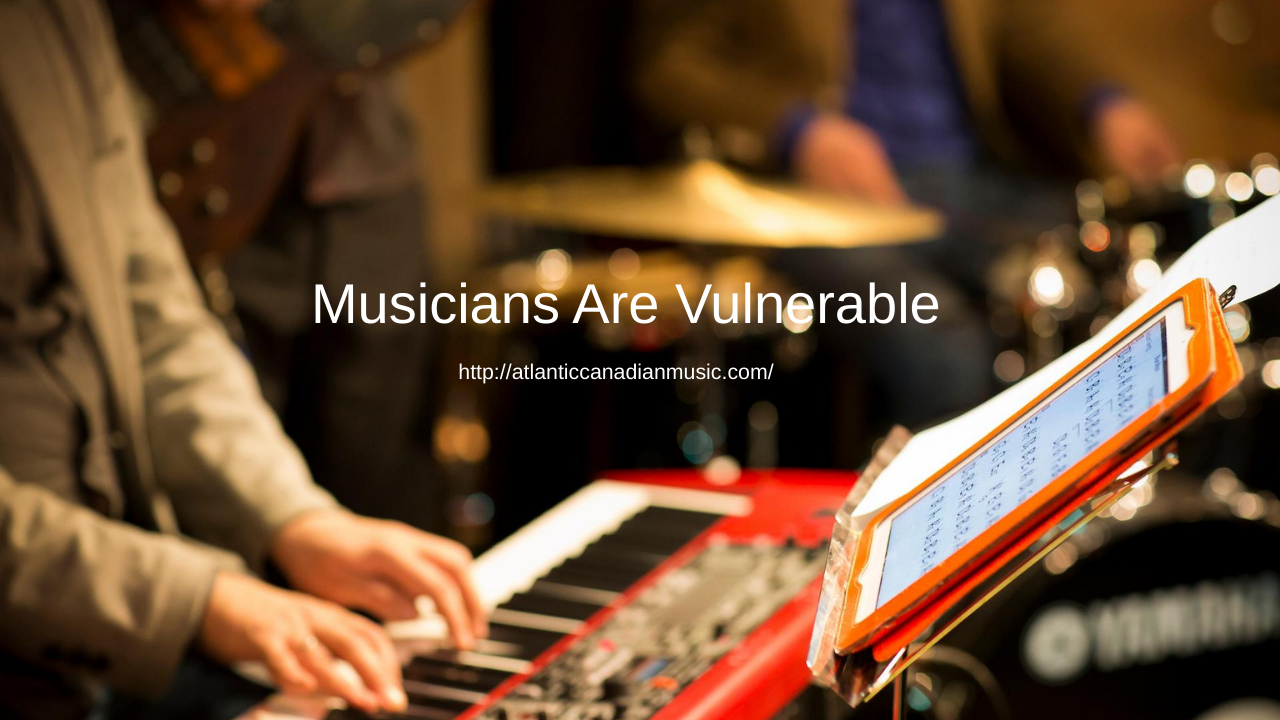
For musicians, the creative process can be both exhilarating and exhausting. Composing, performing, and producing music releases powerful emotions and can provide moments of pure euphoria. However, this pursuit of the “creative high” can come with hidden dangers. Many artists turn to substances as a way to maintain energy, enhance inspiration, or cope with the emotional intensity of their work. When the music stops, the consequences of these choices often emerge, leaving both health and careers at risk.
The Allure of the Creative High
Music naturally activates the brain’s reward system, releasing dopamine and generating feelings of pleasure and motivation. This neurological response explains why artists may feel invincible on stage or in the studio. Drugs and alcohol can mimic or amplify this effect, offering an intensified sense of euphoria or focus. In the short term, substances may seem to boost creativity or help manage stress. Over time, however, reliance on these artificial highs can lead to dependency and a dangerous cycle of addiction.
Why Musicians Are Vulnerable
Musicians face unique pressures that can make them more susceptible to substance use. Irregular schedules, long tours, and the constant demand for public performance create stress that is difficult to manage. Fame and success can also isolate artists, reducing access to support systems and amplifying feelings of anxiety or depression. For some, substances offer temporary relief or a perceived boost to creative output. Unfortunately, these coping mechanisms often mask deeper issues rather than resolving them.
The Consequences of Chasing Highs
While the temporary euphoria of a creative high may feel rewarding, the aftermath can be devastating. Substance use can impair cognitive function, reduce emotional resilience, and erode physical health. Relationships with family, friends, and colleagues may suffer. Many artists also experience career setbacks, including missed opportunities and diminished productivity. Over time, the very creativity that once inspired them may become stifled, leaving a cycle of reliance and disappointment.
Breaking the Cycle Through Recovery
Recovery is possible with the right support. At Atlantic Canadian Music, treatment programs are designed to address both addiction and the unique pressures musicians face. Holistic approaches combine evidence-based therapies with mental health support, creative expression, and faith-based guidance when desired. Individualized care ensures that each client receives treatment tailored to their personal needs and goals.
Inpatient programs provide a safe and structured environment for intensive healing, while outpatient options allow musicians to continue working while maintaining their recovery. Supportive counseling, group therapy, and creative outlets help clients reconnect with music in healthy, sustainable ways.
Restoring Balance and Creativity
Addiction does not have to define an artist’s story. By seeking help, musicians can regain control over their lives, restore their health, and rebuild their creative confidence. Recovery offers the opportunity to enjoy the highs of music without the shadow of substance dependence, creating space for genuine artistic growth and personal fulfillment.
Take the First Step
The pursuit of creative highs should never come at the expense of health and well-being. If you or someone you love is struggling with substance use, now is the time to reach out for support. Atlantic Canadian Music provides compassionate, individualized care to help artists reclaim their lives, restore balance, and rediscover the joy of music safely. Recovery is possible, and the first step toward healing can transform both life and art.