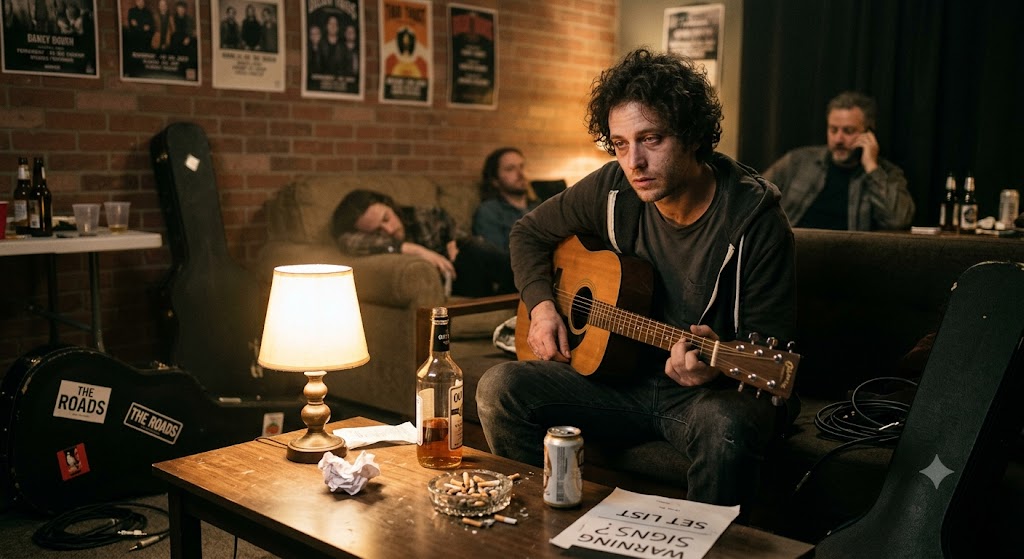
When Creativity Meets Crisis: Recognizing Addiction Warning Signs in Musicians

Music has the power to inspire, comfort, and unite people from every walk of life. Behind every memorable performance, however, is a musician navigating the demands of an industry that often requires constant creativity, emotional vulnerability, and relentless dedication. While these qualities can lead to artistic success, they can also increase the risk of addiction and mental health challenges. Recognizing the warning signs of addiction early can make a meaningful difference, allowing musicians to receive compassionate support before their struggles affect every part of their lives. With professional addiction recovery services, individualized treatment, and holistic care, healing is possible.

Why Musicians Face Unique Risks for Addiction

A career in music is rewarding, but it often comes with pressures that many people never see. Long hours in the studio, demanding travel schedules, inconsistent income, public expectations, and performance anxiety can create ongoing emotional stress.

Many musicians also invest deeply in their creative work. They often channel personal experiences, grief, joy, and vulnerability into their music. While this emotional openness can strengthen artistic expression, it may also make coping with setbacks more difficult.

When healthy coping strategies are absent, some individuals begin relying on alcohol or drugs to manage emotional pain, increase confidence, or temporarily escape stress.

Creativity Does Not Eliminate Emotional Struggles

There is a common misconception that creativity protects people from mental health challenges. In reality, highly creative individuals often experience emotions more intensely. They may be especially sensitive to criticism, rejection, or uncertainty.

Without proper support, emotional distress can gradually contribute to substance use. What begins as occasional use can develop into addiction, affecting physical health, relationships, and professional success.

Understanding the Connection Between Mental Health and Addiction

Mental health and addiction are closely connected. Anxiety, depression, trauma, and chronic stress frequently occur alongside substance use disorders. At the same time, addiction often worsens emotional symptoms, creating a cycle that becomes increasingly difficult to overcome without treatment.

Comprehensive recovery programs recognize the importance of treating both addiction and mental health together, allowing individuals to heal more completely.

Early Warning Signs of Addiction in Musicians

Recognizing addiction early provides the opportunity for timely intervention and better long term outcomes. While every individual experiences addiction differently, several warning signs are common.

Emotional Warning Signs

Changes in mood are often among the earliest indicators.

These may include:

  • Persistent anxiety or excessive worry
  • Depression or feelings of hopelessness
  • Increased irritability or emotional outbursts
  • Loss of motivation or enthusiasm
  • Difficulty managing stress without substances

Behavioral Warning Signs

Behavioral changes may become noticeable both personally and professionally.

Examples include:

  • Frequently using alcohol or drugs before performances
  • Isolating from family, friends, or band members
  • Missing rehearsals or professional commitments
  • Taking unnecessary risks
  • Neglecting personal responsibilities
  • Becoming defensive when discussing substance use

Physical Warning Signs

Physical symptoms may also indicate that professional evaluation is needed.

These can include:

  • Significant changes in sleep patterns
  • Unexplained weight changes
  • Persistent fatigue
  • Declining physical appearance
  • Frequent illness or reduced energy during performances

Recognizing these symptoms is not about assigning blame. It is about understanding when compassionate support may be needed.

How Professional Treatment Supports Recovery

Recovery is most successful when treatment addresses the whole person rather than focusing only on substance use. Every musician has different experiences, personal goals, and mental health needs.

Professional addiction treatment creates individualized care plans that help people regain stability while building healthy coping strategies.

Inpatient Treatment for Intensive Support

Inpatient treatment provides a structured environment where individuals can focus completely on recovery. Medical care, therapy, counseling, and wellness services help stabilize both physical and emotional health.

For musicians facing severe addiction or co occurring mental health conditions, inpatient care offers a valuable opportunity to step away from outside pressures and begin healing.

Outpatient Treatment for Flexible Care

Outpatient treatment allows individuals to continue working, creating music, or managing family responsibilities while receiving ongoing support.

Through counseling, group therapy, relapse prevention education, and mental health services, musicians learn practical strategies they can apply to everyday life.

Holistic Healing Strengthens Long Term Recovery

Healing involves much more than ending substance use. Holistic treatment addresses emotional, physical, mental, and spiritual wellness while helping individuals build healthier lifestyles.

Holistic recovery services may include:

  • Mindfulness and meditation
  • Music and creative arts therapy
  • Physical fitness programs
  • Nutrition counseling
  • Stress management techniques
  • Family therapy

These approaches encourage lasting wellness while helping musicians reconnect with themselves in positive ways.

Faith Based Care Provides Hope and Purpose

For individuals who value spiritual growth, faith based recovery can become an important part of healing. Spiritual guidance, prayer, supportive communities, and personal reflection often strengthen resilience during recovery.

When integrated with evidence based addiction treatment, faith based care provides additional encouragement throughout the healing journey.

Building a Healthier Future Through Recovery

Recovery allows musicians to rediscover their creativity without relying on substances. Many individuals find that improved emotional stability, clearer thinking, and healthier relationships actually strengthen their artistic expression.

Long term wellness is supported through consistent habits, including:

  • Continuing therapy and peer support
  • Practicing healthy stress management
  • Prioritizing sleep and physical wellness
  • Establishing healthy professional boundaries
  • Maintaining meaningful relationships
  • Making time for personal growth and creative fulfillment

These habits help musicians continue creating while protecting both their mental health and recovery.

Conclusion

When creativity meets crisis, it is important to remember that help is available. Addiction and mental health challenges do not define a musician’s talent, character, or future. Recognizing the warning signs early allows individuals to access compassionate care before addiction causes lasting harm.

Professional addiction recovery services, comprehensive mental health treatment, inpatient and outpatient programs, holistic therapies, faith based support, and individualized care provide the tools needed to achieve lasting recovery.

Healing is not about losing creativity. It is about creating a healthier life where music, emotional wellness, and personal fulfillment work together in harmony. If you or someone you love is struggling with addiction, reaching out for professional support today can be the first step toward renewed hope, lasting recovery, and a brighter future.

More Than the Encore: How Musicians Can Protect Their Mental Health and Overcome Addiction

The applause may fade after a performance, but the personal challenges many musicians face often continue long after they leave the stage. Behind every concert, recording session, or late night rehearsal are individuals managing demanding schedules, emotional vulnerability, and the pressure to constantly create. While music can be a powerful source of purpose and connection, the lifestyle surrounding it can also increase the risk of addiction and mental health concerns. Fortunately, recovery is possible. With compassionate addiction treatment, comprehensive mental health care, and personalized support, musicians can regain balance, strengthen their well being, and continue pursuing the careers they love.

Why Mental Health Matters for Musicians

Success in the music industry often comes with unique demands that are not always visible to audiences. Touring, financial uncertainty, public expectations, inconsistent schedules, and frequent travel can all contribute to chronic stress.

Musicians also invest emotionally in their work. Writing songs, performing, and sharing personal experiences require vulnerability that can leave individuals feeling emotionally drained over time.

Without healthy coping strategies, stress can gradually affect both emotional and physical health.

The Emotional Cost of Creative Careers

Creativity often comes with emotional intensity. Many musicians experience anxiety before performances, disappointment after setbacks, and pressure to continually produce new work.

Some individuals begin using alcohol or drugs to reduce stress, improve confidence, or temporarily escape emotional pain. Although substances may seem helpful at first, they often lead to addiction, making personal and professional challenges even more difficult.

Understanding the Connection Between Addiction and Mental Health

Addiction and mental health disorders frequently occur together. Anxiety, depression, trauma, and chronic stress can increase the likelihood of substance use. Likewise, addiction can worsen emotional symptoms, creating a cycle that becomes increasingly difficult to break without professional care.

Effective treatment recognizes that both conditions deserve equal attention. Addressing mental health while treating addiction helps individuals build healthier coping skills and achieve more sustainable recovery.

Common Warning Signs

Recognizing the early signs of addiction can help individuals seek treatment before problems become more severe. Warning signs may include:

  • Using alcohol or drugs to manage stress or performance anxiety
  • Feeling unable to relax without substances
  • Increased anxiety, depression, or mood changes
  • Difficulty maintaining professional responsibilities
  • Declining creativity or motivation
  • Withdrawing from family, friends, or colleagues
  • Continuing substance use despite negative consequences

These signs should never be ignored. Early intervention often leads to stronger recovery outcomes.

Professional Addiction Recovery Creates a Strong Foundation

Recovery is not simply about stopping substance use. It involves learning healthier ways to manage emotions, improve relationships, and build a fulfilling life.

Professional addiction recovery services provide individualized treatment plans that address each person’s unique circumstances, history, and goals.

Inpatient Treatment Offers Focused Care

Inpatient treatment provides a safe and structured environment where individuals can fully focus on healing. Medical care, counseling, behavioral therapy, and mental health support help individuals begin recovery away from outside pressures.

For musicians facing significant addiction or co occurring mental health conditions, inpatient care offers the stability needed to create lasting change.

Outpatient Programs Support Continued Growth

Outpatient treatment allows individuals to continue working, performing, or managing family responsibilities while receiving professional support.

Therapy sessions, support groups, relapse prevention education, and ongoing counseling provide practical tools that fit into daily life while encouraging long term recovery.

Holistic Healing Supports the Whole Person

Successful recovery extends beyond treating addiction alone. Holistic care focuses on physical, emotional, mental, and spiritual wellness, helping individuals rebuild healthy and meaningful lives.

Holistic treatment may include:

  • Mindfulness and meditation
  • Music and creative arts therapy
  • Physical fitness and wellness programs
  • Nutrition education
  • Stress reduction techniques
  • Family therapy and relationship counseling

These services help musicians reconnect with themselves while developing healthier responses to life’s challenges.

Faith Based Recovery Offers Additional Strength

For individuals who value spirituality, faith based treatment provides encouragement through prayer, reflection, community support, and spiritual guidance.

Combined with evidence based clinical care, faith based recovery can strengthen resilience, restore hope, and help individuals discover renewed purpose throughout the healing journey.

Protecting Mental Health Throughout Recovery

Recovery is an ongoing process that requires consistent self care and healthy habits. Protecting mental health helps reduce the risk of relapse while improving overall quality of life.

Musicians can support long term wellness by:

  • Maintaining regular sleep and exercise routines
  • Continuing therapy or peer support meetings
  • Practicing mindfulness during stressful periods
  • Establishing healthy boundaries with work commitments
  • Staying connected with supportive family and friends
  • Making time for rest and creative expression outside of professional demands

These habits strengthen emotional resilience while allowing creativity to flourish naturally.

Rediscovering Music With Greater Clarity

Many musicians fear that sobriety may reduce their creativity. In reality, recovery often enhances artistic expression. Greater emotional stability, improved focus, and healthier relationships frequently allow creativity to develop from a place of authenticity rather than emotional distress.

Music becomes a source of healing instead of a reminder of struggle.

Conclusion

Life as a musician is about far more than the encore. Behind every performance is a person deserving of compassion, support, and the opportunity to live a healthy, fulfilling life.

Professional addiction recovery services, comprehensive mental health treatment, inpatient and outpatient care, holistic therapies, faith based guidance, and individualized treatment plans can help musicians overcome addiction while protecting their emotional well being.

Recovery does not mean giving up your passion. It means creating a stronger foundation where creativity, mental health, and personal wellness can thrive together. If you or someone you love is struggling with addiction or mental health challenges, reaching out for professional support today can be the first step toward lasting healing, renewed confidence, and a brighter future.

The Sound Behind the Silence: Helping Musicians Break Free From Addiction and Rebuild Their Lives

Music has the remarkable ability to tell stories, inspire hope, and connect people through shared emotion. Yet behind every powerful performance or heartfelt song, there may be personal struggles that remain hidden from the audience. Many musicians quietly battle addiction and mental health challenges while continuing to create, perform, and meet demanding expectations. Although these struggles often remain unseen, they are real, and they deserve compassionate attention. With professional addiction treatment, individualized care, and ongoing support, musicians can overcome addiction, strengthen their mental health, and rediscover the passion that first inspired their love of music.

Why Musicians Face a Greater Risk of Addiction

The music industry offers incredible opportunities, but it also presents unique challenges that can affect emotional and physical well being. Constant travel, irregular schedules, financial uncertainty, public expectations, and creative pressure can create an environment where stress becomes part of everyday life.

For some musicians, alcohol or drugs may initially seem like a way to ease performance anxiety, cope with loneliness, or manage emotional exhaustion. Over time, occasional substance use can develop into dependency, especially when underlying mental health concerns remain untreated.

Creativity and Emotional Intensity

Creative individuals often experience emotions deeply. This emotional awareness allows musicians to connect with audiences in meaningful ways, but it can also increase vulnerability to anxiety, depression, and burnout.

When emotional pain becomes overwhelming, substances may appear to provide temporary relief. Unfortunately, addiction often creates additional challenges that affect every aspect of life, including physical health, relationships, creativity, and career stability.

Understanding the Link Between Addiction and Mental Health

Addiction rarely develops in isolation. Many people struggling with substance use also experience co occurring mental health conditions such as anxiety, depression, trauma, or chronic stress.

For musicians, these conditions may become more difficult to manage because of demanding schedules and limited opportunities to prioritize personal wellness. Comprehensive treatment that addresses both addiction and mental health provides the strongest foundation for lasting recovery.

Recognizing the Warning Signs

Early intervention can make a significant difference. Some common signs that professional help may be needed include:

  • Using alcohol or drugs before or after performances
  • Feeling unable to manage stress without substances
  • Losing interest in music or creative projects
  • Experiencing mood swings, anxiety, or persistent sadness
  • Missing professional or personal responsibilities
  • Withdrawing from family, friends, or colleagues
  • Continuing substance use despite harmful consequences

Recognizing these signs is an opportunity to seek support before addiction becomes even more difficult to overcome.

Recovery Begins With Personalized Treatment

No two musicians share the same experiences, which is why recovery should never follow a one size fits all approach. Individualized treatment plans address each person’s unique history, goals, mental health needs, and substance use challenges.

Professional addiction recovery services help individuals understand the underlying causes of addiction while developing healthier ways to cope with stress, emotional pain, and life’s daily challenges.

Inpatient Treatment Creates Space for Healing

Inpatient treatment provides a safe, structured environment where individuals can focus entirely on recovery. Medical care, therapy, counseling, and wellness activities work together to stabilize both physical and emotional health.

For musicians facing severe addiction or significant mental health challenges, stepping away from the demands of the industry can create the opportunity to begin healing without constant outside pressure.

Outpatient Care Supports Everyday Recovery

Outpatient treatment allows individuals to continue working, creating music, or caring for family while participating in therapy and recovery services.

Flexible scheduling, individual counseling, group therapy, and relapse prevention planning help musicians maintain progress while staying engaged with their personal and professional lives.

The Importance of Holistic Healing

Successful recovery extends beyond treating substance use alone. Holistic care supports the whole person by addressing emotional, physical, mental, and spiritual wellness.

Many treatment programs incorporate therapies such as:

  • Mindfulness and meditation
  • Music and creative arts therapy
  • Physical fitness and movement
  • Nutrition education
  • Stress management techniques
  • Family counseling

These services help individuals develop practical coping skills while restoring balance and confidence.

Faith Based Support Offers Hope

For individuals who value spiritual growth, faith based treatment can become an important part of recovery. Spiritual guidance, prayer, reflection, and supportive communities often provide encouragement during difficult moments.

When combined with evidence based addiction treatment and mental health care, faith based support can strengthen resilience and provide a renewed sense of purpose.

Rebuilding Life Beyond Addiction

Recovery is not about leaving music behind. Instead, it is about creating a healthier relationship with creativity, work, and personal well being.

Many musicians discover that sobriety brings greater emotional clarity, improved concentration, and renewed artistic inspiration. Rather than depending on substances, they learn to draw creativity from authentic experiences and emotional growth.

Healthy Habits That Support Lasting Recovery

Long term success often includes:

  • Maintaining a consistent daily routine
  • Continuing therapy and peer support
  • Prioritizing sleep and physical wellness
  • Practicing mindfulness during stressful situations
  • Building strong relationships with supportive people
  • Setting realistic professional boundaries

These habits help musicians continue growing both personally and creatively while reducing the risk of relapse.

Conclusion

Behind the silence that often surrounds addiction are stories of resilience, courage, and hope. Musicians face unique pressures that can increase the risk of addiction and mental health challenges, but those struggles do not have to define their future.

Through comprehensive addiction recovery services, mental health treatment, inpatient and outpatient programs, holistic therapies, faith based support, and individualized care, musicians can rebuild healthy, fulfilling lives while continuing to pursue their passion for music.

Recovery is not the end of the story. It is the beginning of a stronger future where creativity is fueled by clarity instead of crisis. If you or someone you love is struggling with addiction, reaching out for professional support today can be the first step toward healing, renewed purpose, and lasting recovery.

Finding Balance in the Spotlight: Addiction Recovery and Mental Health Support for Musicians

For many musicians, performing is more than a profession. It is a passion, a purpose, and a way to connect with others through creativity. Yet behind the applause and recognition, countless artists face challenges that are rarely visible to their audiences. Long hours, emotional vulnerability, constant travel, and the pressure to succeed can contribute to addiction and mental health concerns. The good news is that recovery is possible. With compassionate care, personalized treatment, and ongoing support, musicians can regain balance, protect their well being, and continue pursuing the music they love.

Why Musicians Face Unique Mental Health Challenges

Life in the music industry often looks exciting from the outside, but it can be emotionally demanding. Musicians frequently work irregular schedules, spend extended time away from family, and face uncertainty about future opportunities. They may also experience criticism, financial stress, and the constant expectation to create meaningful work.

These pressures can contribute to anxiety, depression, burnout, and emotional exhaustion. Without healthy coping strategies, some individuals turn to alcohol or drugs in an attempt to relieve stress or escape difficult emotions.

Creativity and Emotional Vulnerability

Creative people often experience emotions deeply. This emotional awareness allows musicians to write meaningful songs and connect with audiences, but it can also make them more vulnerable to emotional distress.

When emotional challenges are left untreated, substance use may begin as temporary relief. Unfortunately, addiction often develops gradually, making it difficult to recognize until it begins affecting health, relationships, and professional life.

Understanding the Relationship Between Addiction and Mental Health

Addiction and mental health conditions often exist together. Anxiety, depression, trauma, and chronic stress can increase the risk of substance use, while addiction can intensify emotional struggles.

Treating only one issue is rarely enough. Comprehensive treatment addresses both addiction and mental health simultaneously, helping individuals develop healthier coping strategies and build a stronger foundation for recovery.

Recognizing the Signs of Addiction

Early intervention can make recovery more effective. Some common signs include:

  • Using alcohol or drugs to manage stress or performance anxiety
  • Feeling unable to relax without substances
  • Losing motivation or creative focus
  • Mood changes or emotional instability
  • Withdrawing from family, friends, or colleagues
  • Difficulty meeting personal or professional responsibilities
  • Continuing substance use despite harmful consequences

Recognizing these warning signs is not about assigning blame. It is about identifying when professional support can make a meaningful difference.

Addiction Recovery Designed for Lasting Healing

Recovery is about much more than stopping substance use. It is a process of rebuilding emotional health, strengthening relationships, and creating a balanced lifestyle that supports long term wellness.

Professional addiction treatment programs provide individualized care that reflects each person’s unique experiences, goals, and recovery needs.

Inpatient Treatment for Focused Recovery

Inpatient care offers a structured environment where individuals can step away from everyday pressures and fully focus on healing. Medical support, therapy, counseling, and wellness activities work together to address both addiction and mental health concerns.

For musicians facing significant substance use challenges, inpatient treatment provides the stability needed to begin recovery with confidence.

Outpatient Treatment for Continued Independence

Outpatient programs allow individuals to receive professional care while maintaining work, family, or creative responsibilities. Therapy sessions, relapse prevention planning, and mental health support help participants continue making progress while remaining connected to their daily lives.

This flexibility is especially valuable for musicians balancing recovery with ongoing professional commitments.

The Benefits of Holistic Healing

Long term recovery involves healing the whole person, not simply managing symptoms. Holistic treatment supports physical, emotional, mental, and spiritual well being through evidence based and complementary approaches.

Holistic care may include:

  • Mindfulness and meditation
  • Nutrition and wellness planning
  • Physical fitness activities
  • Music and creative therapies
  • Stress management techniques
  • Family counseling and relationship support

These services encourage healthier coping skills while helping individuals reconnect with themselves in meaningful ways.

Faith Based Recovery and Spiritual Support

Faith based recovery programs provide spiritual guidance for individuals who value incorporating faith into the healing process. Through reflection, prayer, supportive communities, and personal growth, many people discover renewed hope and purpose during recovery.

When combined with professional clinical care, faith based support can strengthen resilience and encourage lasting recovery.

Rediscovering Creativity Through Recovery

Many musicians worry that sobriety will diminish their creativity. In reality, recovery often allows creativity to flourish in healthier ways. Emotional clarity, improved focus, and greater self awareness frequently enhance artistic expression rather than limit it.

Recovery helps musicians separate creativity from addiction, allowing inspiration to grow from wellness instead of emotional pain.

Building Healthy Habits for Long Term Success

Maintaining recovery requires ongoing commitment and healthy routines. Helpful practices include:

  • Prioritizing sleep and physical health
  • Continuing therapy and support groups
  • Setting healthy personal and professional boundaries
  • Managing stress through mindfulness and relaxation
  • Staying connected with supportive friends and family
  • Making time for creative expression without unhealthy coping behaviors

These habits help build resilience while reducing the risk of relapse.

Conclusion

Finding balance in the spotlight is possible, even when addiction and mental health challenges have affected every aspect of life. Musicians deserve compassionate care that recognizes the unique pressures of their profession while supporting their personal healing journey.

Through comprehensive addiction recovery services, mental health treatment, inpatient and outpatient care, holistic therapies, faith based support, and individualized treatment plans, lasting recovery becomes an achievable goal. Healing is not about leaving music behind. It is about creating a healthier life where creativity, emotional wellness, and personal fulfillment can thrive together.

If you or someone you care about is struggling with addiction or mental health concerns, seeking professional help today can be the beginning of a brighter future. With the right support, recovery is possible, and every new chapter can begin with hope, healing, and renewed purpose.