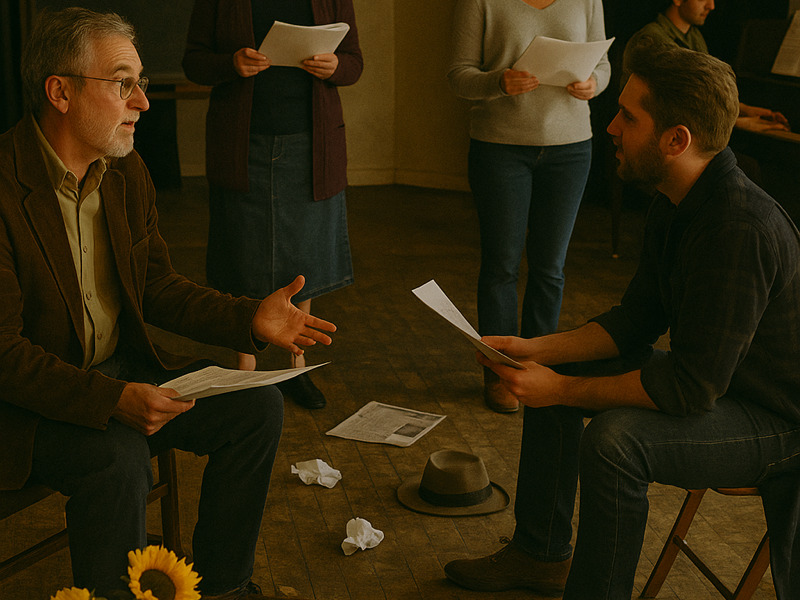
Finding Clarity Through Chaos: Addiction Recovery for Musicians and Creative Professionals

Creativity often comes with intense emotion, unpredictable schedules, and high personal expectations. For musicians and creative professionals, the pressure to constantly produce, perform, and succeed can quietly lead to emotional exhaustion and unhealthy coping habits. In many cases, addiction develops gradually in the middle of creative chaos, affecting mental health, relationships, and professional growth. The path to recovery begins by understanding that healing is possible and that clarity can return with the right support, treatment, and compassionate care.

Why Creative Professionals Face Unique Recovery Challenges

Musicians, artists, producers, writers, and other creative individuals often work in environments that lack structure and stability. Long hours, financial uncertainty, public criticism, and emotional vulnerability are common parts of the creative process. While creativity can be deeply rewarding, it can also create ongoing stress and emotional fatigue.

Some individuals begin using substances to manage anxiety, increase confidence, or escape emotional pressure. Over time, this reliance can grow into addiction, making it difficult to maintain balance both personally and professionally.

The Connection Between Creativity and Mental Health

Creative individuals are often highly sensitive and emotionally aware. While this can strengthen artistic expression, it may also increase vulnerability to mental health challenges such as anxiety, depression, and burnout.

When mental health conditions go untreated, substance use may become a way to numb emotional pain or maintain productivity. Unfortunately, this often leads to a cycle that becomes increasingly difficult to manage without professional help.

Recognizing the Signs of Addiction

Addiction does not always look the same from person to person. Some musicians and creative professionals continue to perform and work successfully while struggling privately with substance use.

Warning signs may include:

  • Relying on substances to perform, relax, or sleep
  • Increased isolation from family or friends
  • Loss of motivation or emotional stability
  • Difficulty managing schedules or responsibilities
  • Anxiety or depression that worsens over time
  • Feeling emotionally disconnected from creativity or passion projects

Recognizing these signs early can lead to more effective treatment and long term recovery.

Recovery Starts With Comprehensive Support

Addiction recovery is not just about stopping substance use. It is about restoring emotional, mental, and physical well being. Effective treatment programs address the full picture, including underlying mental health concerns and lifestyle stressors.

Inpatient Treatment for Focused Healing

Inpatient care offers a structured and supportive environment where individuals can focus completely on recovery. Medical supervision, therapy, and wellness support help stabilize both physical and emotional health.

For musicians and creative professionals, stepping away from daily pressures can create the clarity needed to begin healing without distractions.

Outpatient Programs for Flexible Care

Outpatient treatment allows individuals to continue working or creating while receiving support. Therapy sessions, group counseling, and recovery planning are integrated into daily life, helping individuals build healthy routines while maintaining personal responsibilities.

This level of flexibility is often valuable for creative professionals balancing recovery with career goals.

Holistic Healing for Lasting Recovery

Holistic recovery approaches recognize that healing involves the mind, body, and spirit. These methods support overall wellness while helping individuals develop healthier coping skills.

Holistic care may include:

  • Mindfulness and meditation practices
  • Physical wellness and exercise routines
  • Creative therapies such as music or art therapy
  • Stress management techniques
  • Nutritional and lifestyle support

For musicians and artists, creative expression can become a meaningful part of recovery. Writing music, journaling, or engaging in artistic projects can help process emotions in healthy and productive ways.

Faith Based Support and Spiritual Growth

Faith based recovery programs offer additional emotional and spiritual guidance for those seeking deeper meaning during recovery. These approaches encourage hope, accountability, and connection through spiritual support and community.

Many individuals find that faith based care strengthens resilience and provides comfort during difficult stages of healing.

Rebuilding Creativity Without Substance Use

A common fear among musicians and creative professionals is that sobriety may limit creativity. In reality, many individuals discover that recovery improves focus, emotional clarity, and creative confidence.

Without the instability of addiction, creativity often becomes more authentic and sustainable. Recovery allows individuals to reconnect with their passions in a healthier and more grounded way.

Healthy Habits That Support Recovery

Long term recovery requires consistent self care and support. Helpful strategies include:

  • Maintaining structured daily routines
  • Prioritizing sleep and emotional wellness
  • Attending therapy or support groups regularly
  • Practicing mindfulness during stressful periods
  • Building supportive personal and professional relationships

These habits create stability while supporting continued personal and creative growth.

Conclusion

Finding clarity through chaos is possible for musicians and creative professionals struggling with addiction and mental health challenges. Recovery is not about losing creativity or identity. It is about rebuilding a healthier relationship with yourself, your work, and your future.

With professional addiction recovery services, mental health treatment, inpatient and outpatient care, and holistic healing approaches, individuals can move beyond addiction and toward lasting wellness. Every recovery journey is unique, but no one has to face it alone.

If you or someone you care about is struggling, reaching out for help is the first step toward healing. Compassionate, individualized support can provide the guidance needed to reclaim balance, creativity, and hope.

Behind the Spotlight: How Addiction Quietly Impacts Musicians and Creative Lives

From the outside, the music industry often looks vibrant, exciting, and full of creative freedom. Musicians appear to live dynamic lives filled with performances, travel, and artistic expression. However, behind the spotlight, many face a quieter struggle that often goes unnoticed. Addiction and mental health challenges can develop gradually in high pressure creative environments, affecting not only health and relationships but also creativity itself. Understanding this hidden reality is essential for supporting meaningful recovery and long term well being.

The Hidden Pressure of Creative Careers

Musicians and creative professionals operate in environments that are emotionally intense and unpredictable. Irregular income, demanding schedules, public scrutiny, and constant performance expectations can create ongoing stress. Over time, these pressures can take a toll on mental health.

In many cases, substances may be used as a way to manage anxiety, boost confidence, or cope with exhaustion. While this may provide temporary relief, it can quickly lead to dependency. Addiction often develops quietly, making it difficult for individuals and those around them to recognize the early warning signs.

Emotional Isolation in the Music Industry

Despite being surrounded by audiences, bandmates, or collaborators, many musicians experience emotional isolation. Touring schedules and constant movement can make it difficult to maintain stable relationships or support systems.

This sense of isolation can increase vulnerability to substance use. Without consistent emotional support, individuals may rely on unhealthy coping strategies to manage stress or loneliness.

Understanding Addiction as a Medical Condition

Addiction is not a character flaw or lack of discipline. It is a complex medical condition that affects brain chemistry, emotional regulation, and behavior. It often coexists with mental health conditions such as anxiety, depression, or trauma.

For musicians, these challenges may be intensified by performance pressure and lifestyle demands. Recognizing addiction as a health condition rather than a personal failure is a critical step toward recovery.

The Impact of Addiction on Creativity

One of the most difficult realities for musicians is how addiction can affect creativity. What once felt inspiring and effortless may begin to feel forced or disconnected. Some individuals may rely on substances in an attempt to enhance creativity, only to find that it ultimately diminishes clarity and consistency.

Over time, addiction can disrupt focus, memory, emotional balance, and motivation. This can interfere with the ability to create and perform, leading to further stress and emotional strain.

The Cycle of Stress and Substance Use

Many musicians find themselves caught in a cycle. Stress leads to substance use, which temporarily reduces anxiety but creates long term consequences. As consequences build, stress increases, continuing the cycle.

Breaking this pattern requires professional support, structured treatment, and healthier coping strategies that address both emotional and physical needs.

Pathways to Recovery and Healing

Recovery is a process of rebuilding both health and identity. For musicians and creative professionals, this includes rediscovering a balanced relationship with creativity and performance.

Inpatient Treatment for Stabilization

Inpatient care provides a structured and supportive environment where individuals can focus entirely on recovery. This includes medical supervision, therapy, and daily routines designed to promote stability and healing.

For those experiencing severe addiction or mental health challenges, inpatient care can offer a strong foundation for recovery by removing external pressures.

Outpatient Care for Flexible Support

Outpatient programs allow individuals to continue their daily responsibilities while receiving treatment. This may include therapy sessions, counseling, and group support.

For musicians, outpatient care offers the flexibility to maintain creative work while actively participating in recovery.

Holistic and Faith Based Approaches to Healing

Effective recovery often involves more than clinical treatment. Holistic care addresses the mind, body, and spirit through approaches such as mindfulness, physical wellness, creative expression, and stress management techniques.

Music itself can be a powerful tool in recovery when used intentionally. It can help individuals process emotions, reduce anxiety, and reconnect with identity in a healthy way.

Faith based programs also provide spiritual support, community connection, and a sense of purpose. These elements can be especially meaningful during difficult stages of recovery.

Personalized Care for Lasting Recovery

No two recovery journeys are the same. Individualized treatment plans take into account personal history, mental health needs, and lifestyle factors.

For musicians, personalized care may include creative therapy, trauma informed counseling, and flexible scheduling to support both recovery and artistic goals.

Rebuilding Life Beyond Addiction

Recovery is not only about stopping substance use. It is about rebuilding a meaningful and sustainable life. Many musicians in recovery find that their creativity becomes clearer and more authentic without the influence of substances.

Supportive practices may include:

  • Establishing consistent daily routines
  • Engaging in therapy or peer support groups
  • Using music as a healthy emotional outlet
  • Practicing mindfulness and stress reduction techniques
  • Building strong personal and professional support networks

These habits help reinforce stability and support long term well being.

Conclusion

Behind the spotlight, many musicians face silent struggles with addiction and mental health challenges. While these issues can feel isolating, they are both common and treatable. With the right support, recovery is not only possible but deeply transformative.

Through professional addiction recovery services, mental health treatment, inpatient and outpatient care, and holistic approaches, musicians can rebuild their lives while preserving their creativity. Healing takes time, but no one has to go through it alone.

If you or someone you care about is struggling, reaching out for help is the most important first step. Compassionate, individualized care can open the door to recovery, stability, and a renewed connection to both life and music.

When the Music Stops Feeling Good: Understanding Addiction in Musicians and the Path to Recovery

For many musicians, music is more than a career. It is identity, expression, and emotional survival. But there comes a point for some when the music no longer feels joyful or grounding. Instead, it feels pressured, overwhelming, or emotionally disconnected. In these moments, substance use can begin as a way to cope with stress, anxiety, or emotional fatigue. Over time, what once seemed manageable can develop into addiction. Understanding this experience with compassion is essential, as recovery is not only possible, it is deeply transformative.

Why Musicians Are at Higher Risk for Addiction

The music industry is uniquely demanding. Musicians often face irregular schedules, long tours, financial instability, and intense public expectations. Behind the scenes, there is constant pressure to perform, create, and stay relevant. This environment can take a serious toll on mental health.

Some musicians turn to alcohol or drugs as a way to manage these pressures. What may begin as occasional use for relaxation or confidence can gradually shift into dependence. This does not happen because of weakness. It happens because the brain begins to rely on substances to regulate stress and emotion.

Emotional Pressure and Creative Exhaustion

Creativity is powerful, but it can also be draining. Many musicians experience emotional highs and lows tied directly to their work. Rejection, criticism, and performance anxiety can create ongoing emotional strain.

Without healthy coping strategies, this emotional intensity can lead to burnout. When burnout is combined with substance use, the risk of addiction increases significantly.

Recognizing When Music Stops Feeling Good

One of the most important warning signs is emotional disconnection from music itself. When playing, writing, or performing no longer brings joy and instead feels like pressure or obligation, it may signal deeper struggles.

Other signs may include:

  • Increasing reliance on substances to perform or relax
  • Loss of motivation or creative inspiration
  • Difficulty maintaining relationships or responsibilities
  • Anxiety or depression that feels constant or overwhelming
  • Using substances to manage performance or recovery from shows

Recognizing these signs early can make recovery more accessible and effective.

Understanding Addiction as a Mental Health Condition

Addiction is not simply a behavioral issue. It is a complex medical condition that often coexists with mental health challenges such as anxiety, depression, or trauma. For musicians, these conditions are often intensified by lifestyle demands and emotional stress.

Effective treatment focuses on both addiction and mental health together. This integrated approach helps individuals understand the root causes of substance use while developing healthier coping strategies.

The Path to Recovery for Musicians

Recovery is not about stepping away from music. It is about finding a healthier relationship with it. Treatment programs designed for addiction recovery and mental health support can help musicians rebuild both their lives and their connection to creativity.

Inpatient Care for Stabilization and Focus

Inpatient treatment provides a structured environment where individuals can step away from external pressures. This setting offers medical support, therapy, and emotional stabilization.

For musicians, inpatient care can create the space needed to reset physically and emotionally while beginning the healing process in a safe environment.

Outpatient Care for Real Life Recovery

Outpatient programs allow individuals to continue working, creating, and living at home while receiving treatment. Therapy sessions, counseling, and support groups are scheduled around daily responsibilities.

This approach is especially helpful for musicians who want to remain active in their careers while building long term recovery skills.

Holistic and Faith Based Healing Approaches

Healing is most effective when it addresses the whole person. Holistic care includes practices such as mindfulness, physical wellness, and creative expression. For musicians, music itself can become a powerful therapeutic tool rather than a source of pressure.

Faith based programs also offer spiritual guidance and community support. Many individuals find strength, hope, and meaning through these approaches, especially during difficult stages of recovery.

Personalized Treatment for Lasting Change

No two recovery journeys are the same. Personalized treatment plans take into account mental health history, substance use patterns, lifestyle, and creative identity.

For musicians, individualized care ensures that treatment supports both recovery and artistic expression in a balanced and sustainable way.

Reconnecting With Music in Recovery

One of the most powerful parts of recovery is rediscovering music in a healthier way. Many musicians find that sobriety allows them to reconnect with creativity more deeply and authentically.

Healthy practices may include:

  • Writing or playing music as emotional expression rather than escape
  • Developing structured routines for creativity and rest
  • Using mindfulness to manage performance anxiety
  • Engaging in therapy to process emotional triggers

Over time, music becomes a source of healing rather than stress.

Conclusion

When music stops feeling good, it is often a sign that something deeper needs care and attention. Addiction in musicians is a real and treatable condition, and recovery offers a path back to balance, creativity, and emotional well being.

Through professional addiction recovery services, mental health treatment, inpatient and outpatient care, and holistic approaches, musicians can rebuild their lives in a way that supports both their health and their art.

If you or someone you care about is struggling, reaching out for help is the most important first step. With compassionate, individualized support, it is possible to rediscover not only the music, but also the joy behind it.

Breaking the Silence: Addressing Substance Use in the Music Industry

The music industry is often seen as a world of creativity, expression, and success, but behind the performances and spotlight lies a reality that is not often discussed. Substance use and addiction affect musicians at every level, from emerging artists to world renowned performers. The pressures of touring, constant performance demands, and emotional intensity can contribute to mental health struggles that go unnoticed until they become overwhelming. Breaking the silence around substance use is essential for protecting lives, careers, and creative futures.

Understanding Substance Use in the Music Industry

Musicians work in an environment that is both rewarding and demanding. Irregular schedules, long nights, travel fatigue, and public expectations create ongoing stress. In some cases, alcohol or drugs may begin as a way to cope with anxiety, boost energy, or manage emotional exhaustion.

Over time, these coping mechanisms can develop into dependency. Addiction does not happen suddenly. It often builds gradually, making it difficult for individuals and those around them to recognize the severity until it begins to impact health, relationships, and performance.

The Hidden Emotional Toll on Musicians

Beyond physical strain, musicians often face emotional challenges that are less visible. Performance anxiety, fear of failure, financial instability, and isolation can all contribute to mental health struggles.

When these challenges go unaddressed, they may lead to depression, anxiety disorders, or burnout. In many cases, substance use becomes a way to temporarily escape these feelings rather than resolve them.

The Importance of Mental Health and Addiction Treatment

Effective recovery begins with recognizing that addiction is a medical condition, not a personal weakness. It often coexists with mental health challenges, which is why integrated treatment is so important.

Professional addiction recovery services focus on both substance use and underlying emotional health. By treating both simultaneously, individuals have a stronger foundation for long term recovery.

Inpatient Care for Structured Healing

Inpatient treatment provides a safe and supportive environment where individuals can focus fully on recovery. This level of care includes medical supervision, therapy, and structured routines that help stabilize both physical and emotional health.

For musicians, stepping away from industry pressures can provide the space needed to reset, reflect, and begin meaningful healing.

Outpatient Care for Continued Support

Outpatient programs offer flexibility for those who need to balance recovery with personal or professional responsibilities. Therapy sessions, counseling, and group support are scheduled around daily life, allowing individuals to maintain progress while staying engaged in their careers.

This approach is especially valuable for musicians who are rebuilding their lives while continuing to create and perform.

Holistic and Faith Based Approaches to Recovery

Healing from addiction involves more than stopping substance use. It requires addressing the whole person, including emotional, physical, and spiritual well being.

Holistic treatment approaches may include mindfulness practices, physical wellness activities, creative expression, and music therapy. These methods help individuals reconnect with themselves in healthy and meaningful ways.

Faith based programs offer additional support by providing spiritual guidance, community connection, and a sense of purpose. Many individuals find strength in these approaches, especially during challenging moments in recovery.

The Role of Creativity in Healing

For musicians, creativity can be a powerful part of recovery. Writing music, playing instruments, or engaging in artistic expression allows individuals to process emotions in a constructive way.

Instead of using substances to cope, creativity becomes a healthy outlet that supports emotional regulation and personal growth.

Building a Culture of Openness and Support

One of the most important steps in addressing substance use in the music industry is reducing stigma. When addiction is treated as something to hide, individuals are less likely to seek help.

Creating open conversations about mental health and recovery encourages musicians to reach out earlier. Support from peers, managers, and industry professionals can make a significant difference in recovery outcomes.

Practical steps that support change include:

  • Encouraging open discussions about mental health in the music community
  • Promoting access to professional treatment services
  • Supporting artists who choose to seek help
  • Building peer support networks within the industry

Conclusion

Breaking the silence around substance use in the music industry is essential for creating a healthier and more supportive environment for musicians. Addiction and mental health challenges are real, but they are also treatable with the right care and support.

Through professional addiction recovery services, mental health treatment, inpatient and outpatient care, and holistic approaches, musicians can heal and rebuild their lives. Recovery is not the end of creativity. It is often the beginning of a more grounded, meaningful, and sustainable artistic journey.

If you or someone you know is struggling with substance use or mental health challenges, reaching out for help is the first step. Compassionate, individualized care can provide the support needed to heal, grow, and move forward with hope.

Creative Recovery: How Music Supports Mental Health and Addiction Healing

Music has a unique ability to reach people in ways words alone sometimes cannot. For individuals facing addiction and mental health challenges, creativity can become more than expression. It can become a pathway to healing, stability, and self understanding. Within recovery programs, music is increasingly recognized as a powerful therapeutic tool that supports emotional regulation, reduces stress, and helps rebuild identity after addiction.

The Connection Between Music and Healing

Addiction and mental health struggles often develop in response to emotional pain, trauma, or chronic stress. Over time, substances may become a way to cope or disconnect from overwhelming feelings. Recovery requires more than stopping substance use. It involves learning new ways to process emotions and rebuild a sense of self.

Music naturally supports this process. It engages memory, emotion, and cognition at the same time. Listening to or creating music can help individuals access feelings that are difficult to express, making it easier to process experiences in therapy and daily life.

Why Creativity Matters in Recovery

Creative expression offers a safe outlet for emotional release. Instead of suppressing feelings or turning to unhealthy coping mechanisms, individuals can channel their emotions into songwriting, playing instruments, or simply listening with intention.

This process helps:

  • Reduce anxiety and emotional tension
  • Improve self awareness
  • Support emotional regulation
  • Encourage healthy expression of difficult experiences

For many people, creativity becomes a replacement coping strategy that strengthens long term recovery.

Music in Addiction and Mental Health Treatment

Modern addiction recovery services increasingly include creative therapies as part of a comprehensive treatment plan. In both inpatient and outpatient care settings, music can play an important role in supporting emotional and psychological healing.

Inpatient Care and Structured Creative Healing

In inpatient programs, individuals are in a safe and structured environment where they can focus fully on recovery. Music therapy sessions may be included alongside counseling, group therapy, and medical care.

These sessions often involve guided listening, lyric writing, or collaborative music creation. This structured approach helps individuals process emotions in real time while building healthy coping skills.

Outpatient Care and Continued Creative Support

Outpatient treatment allows individuals to continue their recovery journey while returning to daily responsibilities. Music can remain an ongoing part of healing during this stage.

Patients may be encouraged to use music at home as a grounding tool, attend therapy sessions that include creative expression, or join support groups that integrate art based recovery practices.

This continuity helps reinforce progress made in earlier stages of treatment.

Holistic and Faith Based Approaches to Creative Recovery

Holistic recovery recognizes that healing involves the mind, body, and spirit. Music fits naturally into this approach because it supports emotional, physical, and spiritual well being.

Creative recovery methods may include:

  • Music therapy sessions guided by trained professionals
  • Mindfulness practices combined with music listening
  • Journaling alongside songwriting or lyric reflection
  • Group music activities to build connection and trust

Faith based programs may also use music as a form of spiritual connection, reflection, and hope. Many individuals find strength and encouragement through inspirational or meaningful music during recovery.

Music as a Tool for Identity Rebuilding

Addiction can often lead to a loss of identity. Many individuals describe feeling disconnected from who they were before substance use began. Music can help rebuild that sense of self.

For musicians, returning to their instrument or songwriting can feel like rediscovering a core part of themselves. For non musicians, simply engaging with music intentionally can create structure, comfort, and emotional clarity.

Over time, music becomes more than therapy. It becomes a reminder of growth, resilience, and personal transformation.

Practical Ways to Use Music in Recovery

Individuals in recovery can incorporate music into their daily routines in simple and meaningful ways:

  • Creating playlists that support different emotional states
  • Writing lyrics or journaling feelings inspired by music
  • Practicing breathing or grounding exercises with calming songs
  • Attending group sessions that include creative expression
  • Using music as part of mindfulness or relaxation routines

These practices help reinforce emotional stability and provide healthy alternatives to old coping patterns.

Conclusion

Creative recovery shows that healing does not have to be limited to clinical settings. Music offers a powerful bridge between emotional pain and personal growth. When integrated into addiction recovery services and mental health treatment, it can support lasting change, deeper self understanding, and renewed hope.

If you or someone you care about is struggling with addiction or mental health challenges, reaching out for professional support is an important first step. With compassionate care, individualized treatment, and creative approaches like music therapy, recovery is not only possible but deeply transformative.

From Stage to Sobriety: Stories of Musicians Finding Recovery

For many musicians, life on stage can feel electric, powerful, and deeply fulfilling. Yet behind the spotlight, some artists face quiet battles with addiction and mental health challenges that slowly affect their health, relationships, and creativity. The journey from stage to sobriety is not just about stopping substance use. It is about rebuilding identity, restoring balance, and rediscovering purpose through compassionate care, structured treatment, and personal healing.

The Reality Behind the Spotlight

The music industry often demands long hours, emotional intensity, and constant performance under pressure. Touring schedules can disrupt sleep and routine, while expectations from fans and industry professionals can increase anxiety. In this environment, some musicians turn to substances as a way to cope, manage stress, or maintain energy.

Over time, what begins as a coping mechanism can develop into dependency. This does not reflect weakness or lack of talent. Addiction is a medical condition that requires understanding, support, and professional treatment.

Mental Health Challenges in Musicians

Mental health concerns such as depression, anxiety, and trauma frequently exist alongside substance use. These conditions can intensify the struggle with addiction and make recovery feel overwhelming without proper support.

Effective treatment recognizes this connection. When mental health and addiction are addressed together, individuals are more likely to experience long term stability and emotional well being.

Real Pathways From Stage to Sobriety

Every recovery journey is unique, but many musicians share common turning points. These often begin with seeking help, entering treatment, and reconnecting with their creative identity in a healthier way.

Some musicians discover recovery after a breaking point such as health issues, strained relationships, or career challenges. Others seek help earlier, recognizing the need for change before crisis occurs. In both cases, recovery becomes a process of rebuilding life with support, structure, and care.

Inpatient Treatment for Deep Healing

Inpatient care provides a structured and supportive environment where individuals can focus fully on recovery. This setting removes external pressures and allows for safe detox, therapy, and emotional stabilization.

For musicians, this pause from performance demands can be life changing. It creates space to reflect, heal, and develop new coping strategies under professional guidance.

Outpatient Care for Ongoing Recovery

Outpatient programs offer flexibility for those who need to continue working or returning to creative projects. These programs include therapy sessions, counseling, and recovery support while allowing individuals to maintain aspects of their daily lives.

This approach is especially helpful for musicians rebuilding careers while staying committed to sobriety.

Holistic and Faith Based Healing in Recovery

Recovery is not only physical. It also involves emotional, mental, and sometimes spiritual healing. Holistic treatment approaches recognize this by incorporating practices that support the whole person.

Music therapy, mindfulness, physical wellness, and creative expression are often used to help individuals process emotions and rebuild confidence. For musicians, creative work can become a powerful tool for healing rather than escape.

Faith based care can also play an important role. Spiritual guidance and community support help many individuals find meaning, hope, and strength during recovery. This sense of purpose often becomes a foundation for long term change.

Personalized Treatment for Musicians

No two recovery journeys are the same. Personalized care ensures that treatment reflects each individual’s mental health needs, substance use history, and lifestyle. For musicians, this may include flexible scheduling, trauma informed therapy, and creative based interventions.

Individualized care helps ensure that recovery is both realistic and sustainable.

Rebuilding Life After Addiction

Sobriety is not the end of a story. It is the beginning of a new chapter. Musicians in recovery often rediscover creativity in a more grounded and meaningful way. With the right support, many return to performing, writing, and creating with renewed clarity.

Helpful strategies for maintaining recovery include:

  • Establishing consistent daily routines for sleep and self care
  • Using music and creativity as emotional expression rather than escape
  • Attending ongoing therapy or support groups
  • Building strong relationships with supportive peers and mentors
  • Practicing mindfulness or grounding techniques during stress

These habits help protect recovery while strengthening personal and professional stability.

Conclusion

The journey from stage to sobriety is deeply personal, but it is also filled with hope. Musicians who seek help through addiction recovery services, mental health treatment, and holistic care can rebuild their lives while preserving their creativity and passion.

Recovery is not about losing music. It is about finding a healthier way to live through it. With compassionate, individualized support, it is possible to heal, grow, and thrive both on and off the stage.

If you or someone you know is struggling with addiction or mental health challenges, reaching out for professional help is the first step toward lasting change. Support is available, and recovery is possible.

The Musician’s Journey: Navigating Addiction and Mental Health Challenges

Being a musician often involves a life filled with passion, creativity, and public attention. Behind the performances and recordings, however, many musicians face unique pressures that can impact both mental health and personal well-being. Irregular schedules, performance anxiety, touring demands, and industry expectations can contribute to stress, anxiety, depression, and in some cases, substance use. Understanding these challenges is the first step in navigating addiction and mental health issues while maintaining a fulfilling personal and professional life.

Understanding the Pressures Musicians Face

Musicians often experience stressors that are uncommon in other professions. Long hours, late nights, and high-stakes performances can affect sleep, mood, and overall health. Financial uncertainty and public scrutiny add additional layers of stress. These pressures can make it tempting to rely on alcohol or drugs as a way to cope, which can evolve into dependency if left unaddressed.

Recognizing the signs of addiction and mental health struggles is critical. These conditions are medical concerns that require compassion and professional care, not judgment. Seeking help early can prevent long-term consequences and support sustainable recovery.

The Link Between Mental Health and Substance Use

Mental health challenges such as anxiety, depression, and unresolved trauma are closely linked to substance use. For many musicians, the high-pressure environment of the industry can exacerbate these conditions, creating a cycle of stress and reliance on substances. Addressing both mental health and addiction simultaneously through integrated care is essential for long-term recovery.

Programs that combine therapy, counseling, and wellness activities help musicians build coping strategies while reducing relapse risk.

Pathways to Recovery

Recovery is a personal journey that requires a supportive environment, structured care, and strategies tailored to an individual’s lifestyle and needs. Musicians can benefit from both inpatient and outpatient programs depending on their circumstances.

Inpatient Treatment for Focused Healing

Inpatient programs provide a structured environment where individuals can focus entirely on recovery. With medical supervision, counseling, and therapeutic activities, musicians are able to step away from daily pressures and prioritize their health. This focused approach allows for a safe, comprehensive path to sobriety.

Outpatient Programs for Flexibility

Outpatient programs provide support while allowing musicians to maintain career responsibilities. Therapy sessions, counseling, and support groups are scheduled around work commitments, helping musicians integrate recovery into their daily lives. This flexibility is essential for maintaining creative output while addressing addiction and mental health concerns.

Holistic and Faith-Based Approaches

Holistic care addresses the mind, body, and spirit, recognizing that healing is multifaceted. Techniques such as mindfulness, meditation, physical activity, and creative therapies support mental and emotional well-being. For musicians, creative outlets such as songwriting, performance, and music therapy can become powerful tools for processing emotions and building resilience.

Faith-based programs add a spiritual component, offering purpose, hope, and community support. Many individuals find that connecting with their beliefs strengthens their commitment to recovery and provides a sense of direction during difficult moments.

Personalized Care for Lasting Recovery

Each musician’s journey is unique. Personalized care plans consider individual history, mental health needs, and professional goals. A combination of individual therapy, group sessions, creative outlets, and relapse prevention strategies ensures that musicians receive the support necessary to achieve lasting recovery.

Building a Balanced Life

Recovery involves more than achieving sobriety. Musicians are encouraged to create routines and habits that promote well-being and balance, including:

  • Maintaining structured schedules for sleep, practice, and self-care
  • Using music and creative expression as a healthy outlet
  • Engaging in counseling, peer support, and community programs
  • Practicing mindfulness and stress management techniques

These strategies help musicians manage industry pressures while reinforcing personal growth and wellness.

Conclusion

The musician’s journey through addiction and mental health challenges is deeply personal, but recovery is achievable. With professional addiction recovery services, mental health support, and holistic, individualized care, musicians can reclaim their lives and their art.

If you or someone you care about is struggling with addiction or mental health issues, reaching out to compassionate professionals is the first step toward healing. Recovery offers a path to balance, creativity, and renewed purpose, allowing musicians to thrive both on and off the stage.

Healing the Harmony: How Musicians Overcome Addiction and Reclaim Their Lives

For many musicians, music is both a passion and a profession, yet the same environment that fuels creativity can also introduce intense pressure, instability, and emotional strain. Behind performances and recordings, some musicians struggle with substance use and mental health challenges that can quietly disrupt their lives. The good news is that recovery is possible. With the right support, musicians can heal, rebuild, and reconnect with both their craft and their sense of purpose.

Understanding Addiction in the Music World

The music industry presents unique challenges that can increase the risk of addiction. Irregular schedules, late nights, touring demands, and performance anxiety can take a toll on physical and emotional well being. In some cases, alcohol or drugs are used to manage stress or maintain energy. Over time, these habits can develop into dependency.

Addiction is not a lack of discipline or willpower. It is a complex medical condition that often involves underlying mental health concerns. Recognizing this is an important step toward seeking help and beginning recovery.

The Link Between Mental Health and Substance Use

Mental health and addiction are closely connected. Many musicians experience anxiety, depression, or unresolved trauma, which can contribute to substance use. At the same time, addiction can worsen these conditions, creating a cycle that feels difficult to break.

Effective treatment focuses on both areas at once. By addressing mental health alongside addiction, individuals are better equipped to build coping skills, improve emotional regulation, and reduce the risk of relapse.

Pathways to Recovery for Musicians

Recovery is not one size fits all. Musicians benefit from treatment programs that are flexible, personalized, and responsive to their lifestyle and professional demands.

Inpatient Treatment for Focused Healing

Inpatient programs provide a structured environment where individuals can step away from external pressures and focus fully on recovery. These programs offer medical supervision, therapy, and support in a safe setting. For musicians in the early stages of recovery, this level of care can be essential for building a strong foundation.

Outpatient Care for Ongoing Support

Outpatient programs allow musicians to continue working while receiving treatment. With scheduled therapy sessions, counseling, and recovery support, individuals can maintain their responsibilities while progressing in their healing journey. This option is especially valuable for those balancing creative careers with recovery goals.

The Role of Holistic and Faith-Based Care

Healing extends beyond physical sobriety. Holistic approaches address the mind, body, and spirit, helping individuals achieve lasting balance. Practices such as mindfulness, physical wellness, and creative expression are often integrated into treatment plans.

Music itself becomes a powerful tool in recovery. Through songwriting, performance, and guided music therapy, musicians can process emotions, rebuild confidence, and reconnect with their identity in a healthy way.

Faith-based programs offer an additional layer of support. By fostering spiritual growth and connection, these programs provide hope and meaning that can strengthen long-term recovery. Many individuals find comfort and direction through faith, especially during challenging moments in their journey.

Personalized Care for Lasting Change

Every recovery journey is unique. Individualized care plans take into account a person’s history, mental health needs, and personal goals. For musicians, this means treatment that respects their creative identity while addressing the realities of addiction.

Personalized care may include one on one therapy, group counseling, creative therapies, and relapse prevention planning. This comprehensive approach ensures that each individual receives the support they need to succeed.

Building a Life Beyond Addiction

Recovery is not just about stopping substance use. It is about creating a healthier and more balanced life. Musicians in recovery can benefit from practical strategies that support long-term wellness:

  • Establishing consistent routines for sleep, practice, and self-care
  • Using music as a positive outlet for emotional expression
  • Practicing mindfulness and stress management techniques
  • Staying connected with supportive peers, mentors, and recovery groups

These habits help reinforce stability and allow musicians to continue growing both personally and professionally.

Conclusion

Healing the harmony between life and music is possible. Musicians who seek support through professional addiction recovery services, mental health treatment, and holistic care can reclaim their lives and their creativity. Recovery is a journey of resilience, growth, and rediscovery.

If you or someone you care about is struggling with addiction or mental health challenges, reaching out is the first step. Compassionate, individualized care can make all the difference. With the right support, musicians can move forward with clarity, purpose, and a renewed connection to the music they love.

From Struggle to Song: Real Stories of Musicians Beating Addiction

For musicians, addiction often feels like a private battle hidden behind the spotlight. Substance use can creep into lives through late-night performances, touring pressures, or creative expectations. Yet, countless musicians have found a path from struggle to song, transforming personal challenges into stories of resilience and recovery. These journeys show that healing is possible, and that music can become both a tool and a symbol of renewed purpose.

The Hidden Challenges Musicians Face

The music industry carries unique stressors that can increase vulnerability to addiction. Irregular schedules, high stakes performances, financial instability, and public scrutiny create a pressure cooker environment. Many musicians turn to alcohol or drugs to manage anxiety, enhance creativity, or cope with exhaustion. Over time, these coping strategies can develop into dependency, impacting health, relationships, and professional opportunities.

Understanding these pressures is key to supporting recovery. Addiction is a medical condition, not a reflection of talent, character, or drive. Compassionate care and professional treatment provide the foundation for meaningful change.

Mental Health and Addiction in the Music World

Addiction often overlaps with mental health challenges such as depression, anxiety, or trauma. For musicians, the demands of their profession can exacerbate these conditions. Effective recovery addresses both addiction and mental health concurrently. Integrated care ensures that emotional and psychological needs are met, reducing relapse risk and promoting lasting wellness.

Real Stories of Recovery Through Music

Many musicians have used their art as a cornerstone of recovery. Songwriting, composing, and performing provide constructive outlets for processing emotion and expressing personal growth. These creative practices allow individuals to transform their struggles into inspiration for themselves and others.

For example, some artists have written entire albums reflecting their journey through sobriety. Others have collaborated with peers in recovery, creating music that celebrates resilience and connection. These stories illustrate that creativity can be a source of empowerment, emotional release, and community support.

How Music Therapy Supports Healing

Professional recovery programs often incorporate music therapy to complement traditional treatment. Guided sessions allow patients to explore emotions, confront challenges, and develop coping skills in a safe environment. Music engages the brain in unique ways, improving mood, reducing stress, and reinforcing personal insight.

For musicians, this type of therapy can reconnect them with their craft in a positive and structured way. It provides both emotional support and practical skills to maintain creativity without relying on substances.

Holistic and Faith-Based Approaches

Recovery extends beyond physical sobriety. Holistic approaches address the mind, body, and spirit. Practices such as mindfulness, creative expression, exercise, and nutrition support overall well-being. Faith-based programs offer additional encouragement, providing spiritual guidance and a sense of purpose that strengthens commitment to recovery.

These personalized approaches recognize the unique needs of each musician. Whether through music therapy, counseling, or spiritual support, individualized care empowers patients to rebuild their lives on a foundation of health, resilience, and hope.

Building a Supportive Network

Strong support networks are critical in sustaining recovery. Family, friends, mentors, and peers provide accountability, encouragement, and understanding. Sharing stories and experiences within these networks reduces isolation and fosters a sense of community. For musicians, connecting with others who understand industry pressures can be especially valuable.

Practical strategies to support recovery include:

  • Maintaining structured daily routines for sleep, practice, and self-care
  • Using creative outlets such as songwriting or recording to process emotions
  • Participating regularly in counseling, peer support, or group therapy
  • Mindfulness and stress management exercises to navigate high-pressure environments

These tools help musicians maintain balance while reinforcing the lessons learned in treatment.

Conclusion

Stories of musicians moving from struggle to song remind us that recovery is possible. Addiction and mental health challenges do not define talent or potential. With professional addiction recovery services, mental health support, holistic care, and a strong support network, musicians can reclaim their lives and creativity.

If you or someone you love is struggling with addiction or mental health challenges, reaching out to compassionate professionals is the first step toward lasting change. Recovery is achievable, and the journey can transform not only your life but also the music you create.

Notes of Healing: How Musicians Turn Creativity Into Recovery

Music has always been a powerful form of expression, but for many musicians in recovery, it becomes something even more meaningful. Creativity can serve as a pathway to healing, offering emotional release, personal insight, and a renewed sense of purpose. When addiction and mental health challenges interrupt both life and career, music often becomes part of the recovery process itself. Through structured treatment, holistic care, and supportive communities, musicians can rediscover their passion while rebuilding healthy, balanced lives.

The Connection Between Creativity and Recovery

Addiction often develops as a way to cope with stress, trauma, anxiety, or depression. Musicians may feel unique pressures related to performance expectations, touring schedules, financial instability, and public visibility. Over time, unhealthy coping mechanisms can overshadow creativity and harm both personal well being and professional growth.

Recovery programs increasingly recognize that creative expression can support emotional healing. Music allows individuals to process complex feelings that may be difficult to articulate in conversation. Writing lyrics, composing melodies, or performing can help musicians release tension, explore personal struggles, and regain a sense of identity beyond substance use.

Emotional Processing Through Music

Music engages areas of the brain connected to memory, emotion, and motivation. Because of this, it can be an effective therapeutic tool within addiction recovery and mental health treatment. Guided music therapy sessions help individuals explore emotional triggers, develop healthy coping skills, and build self awareness.

For musicians, this process often feels natural. Creativity becomes a constructive outlet that transforms pain into progress. Instead of using substances to numb emotions, individuals learn to channel feelings into meaningful artistic work.

Integrating Music Into Professional Treatment

Comprehensive addiction treatment supports the whole person. Inpatient and outpatient programs can incorporate music and creative therapies alongside clinical care, counseling, and medical support. This integrated approach addresses both substance use and underlying mental health conditions.

Inpatient Programs With Creative Support

Inpatient treatment offers a structured and supportive environment where musicians can step away from daily pressures and focus fully on recovery. Within this setting, music therapy can be part of a balanced treatment plan that includes individual counseling, group therapy, and wellness activities.

Creative sessions provide healthy emotional release while reinforcing discipline and routine. Patients learn to reconnect with their passion in ways that support sobriety and long term stability.

Flexible Outpatient Care for Working Musicians

Outpatient programs allow musicians to receive professional support while continuing to manage career responsibilities. Therapy sessions, recovery meetings, and creative wellness activities are scheduled around daily obligations. This flexibility helps individuals maintain progress without disrupting their livelihoods.

Outpatient care also emphasizes relapse prevention, stress management, and emotional regulation, which are essential skills for navigating the demands of the music industry.

Holistic and Faith Based Paths to Healing

Holistic recovery approaches recognize that healing involves the mind, body, and spirit. Practices such as mindfulness, exercise, nutrition planning, and creative arts therapy complement traditional treatment methods. For musicians, engaging in music as a therapeutic activity reinforces both emotional balance and personal fulfillment.

Faith based programs add another layer of support by fostering spiritual growth, hope, and a sense of purpose. Many individuals find strength in connecting with their beliefs and participating in supportive communities that encourage accountability and compassion.

Personalized Care for Lasting Recovery

No two recovery journeys are the same. Effective treatment programs provide individualized care plans that reflect each person’s history, mental health needs, and professional goals. Musicians benefit from tailored approaches that respect their creative identity while addressing addiction and emotional wellness.

Personalized care may include trauma informed therapy, dual diagnosis treatment, creative arts therapy, and structured relapse prevention planning. This comprehensive support empowers individuals to rebuild their lives with confidence.

Practical Ways Musicians Can Use Creativity in Recovery

Musicians can incorporate creativity into daily recovery routines in meaningful ways:

  • Writing lyrics that reflect personal growth and healing
  • Practicing instruments as a form of mindful focus
  • Collaborating with other artists in supportive environments
  • Using journaling and songwriting to track emotional progress
  • Creating playlists that promote relaxation and positive mood

These practices strengthen emotional resilience and reinforce healthy habits developed in treatment.

Conclusion

Creativity has the power to restore hope, purpose, and direction. For musicians facing addiction and mental health challenges, music can become an essential part of the healing journey. Through professional addiction recovery services, mental health treatment, holistic therapies, and supportive communities, individuals can transform their creativity into a source of strength and stability.

If you or someone you love is struggling with substance use or emotional health, compassionate help is available. Reaching out to a professional treatment provider can open the door to personalized care, structured support, and lasting recovery. Healing is possible, and the first step toward a healthier future can begin today.