Melodies and Madness: Exploring the Dopamine Connection Between Music and Addiction

Music is one of the most powerful forces in human life. A favorite song can spark joy, stir memories, or soothe pain within seconds. Science tells us that music activates the brain’s reward system, releasing dopamine, the same chemical that fuels feelings of pleasure and motivation. But the same pathways that make music so moving are also activated by drugs and alcohol. This overlap explains why musicians, and even listeners, sometimes find themselves caught in a dangerous cycle where melodies and substances intertwine.

The Dopamine Connection

Dopamine is often called the brain’s “feel-good” chemical. Both music and addictive substances can trigger its release, creating intense feelings of euphoria. For musicians, the rush of performing live or writing a song can feel similar to the high of using substances. Over time, the brain may begin to crave not only the music but also the artificial boost provided by drugs or alcohol. This overlap makes it easy for music and addiction to become entangled.

Why Musicians Are at Risk

The lifestyle of a musician can intensify this connection. Late nights, demanding schedules, and the pressure to deliver emotionally raw performances can leave artists vulnerable. Substances may initially seem like a tool for inspiration or stress relief, but they can quickly shift from support to dependency. What starts as a way to enhance creativity or calm nerves can become a destructive pattern that undermines both health and artistry.

When the Music Stops

Addiction is not only a neurological struggle but also an emotional and spiritual one. The very joy that music brings can fade when substances take over, leaving artists isolated, anxious, or depressed. Families and fans often see the outward success but not the private battles. Without intervention, the cycle of chasing dopamine through unhealthy means can lead to relapse, lost opportunities, and even tragedy.

Breaking the Cycle with Holistic Healing

At Atlantic Canadian Music’s recovery programs, treatment is designed with these unique challenges in mind. Recovery is not just about removing substances but about restoring balance in every area of life. That means addressing mental health struggles, healing relationships, and rebuilding purpose.

A holistic, faith-based, and individualized approach recognizes that each person’s path to healing is different. For some, inpatient care provides the structure and safety to reset away from external pressures. For others, outpatient care allows them to integrate recovery into daily life while continuing their personal and professional responsibilities. Alongside evidence-based therapies, creative outlets such as music therapy can help clients reconnect with the very art that once inspired them, but in a healthy way.

Finding a Healthier Rhythm

The myth that addiction fuels creativity is both dangerous and false. True artistry thrives in clarity, not chaos. By choosing recovery, musicians and individuals struggling with substance use can rediscover the joy of music without the shadow of addiction.

Take the Next Step

Addiction and music share a powerful connection through dopamine, but that connection does not have to end in despair. With compassionate care, holistic support, and personalized treatment, it is possible to break free from harmful cycles and create a future filled with both healing and harmony. If you or someone you love is struggling, reach out today. The first step toward recovery could be the first note in a new, healthier song.

From Rhythm to Relapse: The Dangerous Dance Between Music and Drugs

Music has the power to move us, inspire us, and bring people together. For many, it is a source of joy and healing. Yet behind the curtain of creativity, there is often a hidden struggle. The music world has a long history of artists who have battled substance abuse, and for some, the very passion that fuels their art can also contribute to dangerous cycles of addiction. Understanding this connection is critical for musicians, fans, and loved ones who want to see artists thrive without being consumed by the lifestyle.

The Allure of the Lifestyle

For many musicians, the industry’s demands are relentless. Constant touring, late nights, high expectations, and the pressure to maintain a public image can create a perfect storm for mental and emotional strain. Drugs and alcohol often enter the picture as coping mechanisms, promising quick relief from stress, stage anxiety, or exhaustion. In the short term, these substances may seem to enhance creativity or performance, but over time they can trap artists in patterns that threaten both their careers and their health.

When the Stage Lights Fade

The applause and adrenaline of live performance can create an emotional high that is difficult to match in everyday life. Without healthy ways to manage the “come down” after shows, many musicians turn to substances to recreate that feeling. Unfortunately, what begins as a way to keep the momentum going can quickly spiral into dependency. Substance abuse not only damages the body but also clouds judgment, disrupts relationships, and erodes the very creativity it once seemed to enhance.

Breaking the Cycle

Recovery is possible, but it requires the right approach. At Atlantic Canadian Music’s recovery program, treatment is built around understanding the unique pressures musicians face. This means addressing not just the addiction, but also the mental health struggles that often accompany it, such as depression, anxiety, and burnout.

Effective recovery blends evidence-based clinical care with holistic therapies. This can include counseling, group support, mindfulness practices, and creative outlets that allow artists to reconnect with music in a healthy way. For those whose faith plays a central role in their lives, incorporating spiritual guidance can provide additional strength and perspective.

The Power of Personalized Care

No two recovery journeys are the same. A personalized treatment plan respects the individual’s needs, background, and goals. For some musicians, inpatient care offers a safe space to step away from the pressures of the industry and focus fully on healing. Others may find outpatient care more suitable, allowing them to continue working while receiving ongoing support. The key is a compassionate, client-centered approach that treats each person as more than their addiction.

Moving Toward a Healthier Rhythm

Addiction does not have to be the final verse in an artist’s story. With the right support, musicians can reclaim their health, restore their creativity, and build a sustainable future in music. If you or someone you love is struggling, now is the time to take the first step toward recovery. Reach out today and discover how healing can help you find not just your voice, but your freedom.

Soundtrack to Addiction: How Music Fuels and Reflects Substance Use

Music has the power to define moments, shape identities, and reflect cultural attitudes. Over the decades, it has also served as both a mirror and a megaphone for substance use. From glamorized lyrics to the personal struggles of artists, music plays a significant role in how society views drugs and alcohol. Often celebrated, sometimes mourned, the relationship between music and addiction is complex—and deeply ingrained in popular culture.

Music as a Mirror of Addiction

Throughout history, musicians have drawn from personal pain and experience to write songs that resonate. In many cases, substance use becomes a central theme. Lyrics about partying, escaping reality, or numbing emotional pain frequently appear in genres ranging from rock and hip-hop to country and electronic music. Songs like The Weeknd’s “Can’t Feel My Face” or Eric Clapton’s “Cocaine” are just two examples where drug references are woven into catchy, memorable anthems.

These songs often reflect real-life struggles. Many artists write from their own experiences with addiction, turning personal turmoil into creative expression. While this can be cathartic and honest, it also runs the risk of normalizing or even glorifying drug use, especially when the darker consequences are downplayed or omitted.

Music as a Fuel for Substance Culture

Beyond reflection, music can actively influence behavior. The glorification of substances in lyrics, music videos, and performances can shape listeners’ attitudes, particularly among youth. When partying and drug use are repeatedly portrayed as fun, glamorous, or rebellious, they become more appealing and socially accepted.

The live music scene also plays a role. At concerts, festivals, and club events, substance use is often seen as part of the experience. For some, drugs and alcohol are used to enhance the sensory aspects of music, deepening emotional connections or heightening euphoria. This cultural association reinforces the idea that substances and music go hand-in-hand.

The Toll on Artists and Audiences

While the music may suggest otherwise, the reality of addiction is far from glamorous. Many artists who have openly sung about drugs have also suffered deeply from their effects. From Janis Joplin to Juice WRLD, the toll of addiction on musicians has been steep, with too many lives lost to overdoses and related struggles.

Listeners are not immune, either. Repeated exposure to messages that glorify substance use can shape beliefs and behaviors over time. For individuals already vulnerable to addiction, these messages can act as triggers or justifications.

Changing the Narrative

In recent years, a new wave of artists has emerged, using their platforms to speak candidly about addiction and recovery. Songs that once glorified drug use are now being counterbalanced by honest portrayals of the consequences. Musicians like Macklemore, Demi Lovato, and Logic have used their music to spark dialogue about mental health, sobriety, and self-worth.

Educational campaigns and community-based support networks are also helping reshape the music culture. Festivals and venues now offer sober spaces, harm reduction resources, and peer support to promote safer experiences.

Conclusion

Music has long served as the soundtrack to both celebration and sorrow. Its influence on substance use cannot be ignored, but it can be redirected. By embracing honest storytelling, promoting recovery, and fostering a healthier cultural narrative, the music industry can help turn the volume down on addiction—and amplify the message of healing.

Chasing the High: When Music and Addiction Collide

Music is one of the most powerful emotional experiences known to humankind. It can uplift, heal, inspire, and transport listeners to euphoric heights. However, for many musicians and fans alike, the pursuit of these highs can blur the line between natural emotional expression and artificial escapism. When music and addiction collide, the results are often tragic, reflecting a deeper issue within both the industry and human psychology.

The Emotional High of Music

Listening to or performing music stimulates the brain’s reward system, releasing dopamine, the chemical responsible for pleasure and motivation. This rush can feel like a natural high, providing moments of joy, connection, and transcendence. For musicians, performing on stage in front of thousands of fans can create an adrenaline-fueled euphoria that is hard to replicate offstage.

However, this intense emotional experience has a downside. When the music stops and the stage lights dim, the sudden return to everyday life can leave a void. Many musicians find themselves chasing that on-stage high, sometimes turning to drugs and alcohol to fill the gap. What begins as an attempt to manage stress or recreate a feeling of exhilaration can quickly spiral into addiction.

The Culture of Excess

The music industry has a long history of glorifying excess. Phrases like “sex, drugs, and rock & roll” became synonymous with the lifestyle of artists who lived on the edge. In certain circles, drug use is still seen as part of the creative process or a badge of authenticity. This cultural narrative pressures musicians to conform to unhealthy patterns, reinforcing the link between music and substance abuse.

Furthermore, the demands of touring, long nights in the studio, and the pressure to constantly produce can drive artists to seek relief through substances. Drugs and alcohol become coping mechanisms for stress, loneliness, and emotional exhaustion. Over time, addiction takes hold, often silently, until it becomes too big to ignore.

The Toll of Addiction

When addiction collides with music, careers are frequently cut short. The list of talented musicians lost to substance abuse is heartbreakingly long, from Janis Joplin and Jimi Hendrix to Amy Winehouse and Mac Miller. Even those who survive addiction often face years of struggle, damaged relationships, and compromised health.

The myth that drugs enhance creativity has also contributed to this problem. While some artists may feel temporarily inspired under the influence, addiction usually diminishes creative output, impairs performance, and isolates individuals from their support systems.

Toward Recovery and Change

Despite these challenges, many musicians have found recovery and reclaimed their lives. Artists like Eminem, Steven Tyler, and Demi Lovato have shared their sobriety journeys, breaking the stigma around addiction and proving that creativity can thrive without substances.

Organizations such as MusiCares and Backline provide tailored resources for musicians in recovery, helping them navigate sobriety while maintaining their careers.

Conclusion

Chasing the high of music is natural, but when that pursuit leads to addiction, it becomes a dangerous trap. By acknowledging the emotional risks, dismantling harmful cultural narratives, and promoting support for recovery, the music industry can help artists find balance, health, and sustainable creative success.

Breaking the Cycle: Musicians Who Overcame Addiction and Found New Purpose

The music industry is no stranger to addiction. From the pressures of fame to the emotional depths of the creative process, many musicians have found themselves battling substance abuse. However, for every tragic story, there are also powerful narratives of resilience and recovery. Some artists not only beat addiction but also emerged with a renewed sense of purpose, using their experiences to inspire others and redefine their art.

Rising from the Ashes

Addiction can be a devastating force, but it can also be the catalyst for transformation. Artists like James Hetfield of Metallica and Steven Tyler of Aerosmith have publicly shared their journeys through addiction and recovery. After years of struggling with substance abuse, these musicians found strength in sobriety and continued to thrive creatively. Their recoveries didn’t stifle their genius—they enhanced it, bringing clarity, focus, and emotional depth to their work.

Eminem, one of the most successful rappers of all time, is another striking example. After nearly losing his life to an overdose, he sought treatment and embraced sobriety. In his post-recovery music, he addresses addiction with raw honesty, turning his personal struggles into anthems of survival. His evolution not only redefined his career but also offered hope to millions of listeners facing similar battles.

Finding Purpose Beyond Performance

For many musicians, recovery opened the door to new paths and passions beyond the stage. Some have become advocates for mental health and addiction awareness, using their platforms to destigmatize recovery. Macklemore, who has openly discussed his journey with addiction, frequently speaks at schools and recovery events, using his voice to support and uplift others.

Others, like Lady Gaga, have used their influence to champion mental health resources within the industry, recognizing the importance of addressing the root causes of addiction. Through advocacy and philanthropy, these artists are helping to change the culture of the music world, replacing silence and stigma with support and understanding.

The Power of Community and Support

Recovery is rarely a solo journey. Organizations such as MusiCares, Backline, and Recovery Unplugged provide vital resources tailored specifically for musicians. These programs offer counseling, financial aid, and sober support networks that understand the unique pressures of the music industry.

Connection and community are central to recovery. Many musicians credit support groups and peer mentorship as crucial components of their sobriety. By leaning on others who understand their struggles, they find strength and solidarity that helps sustain them through the highs and lows of life in music.

Conclusion

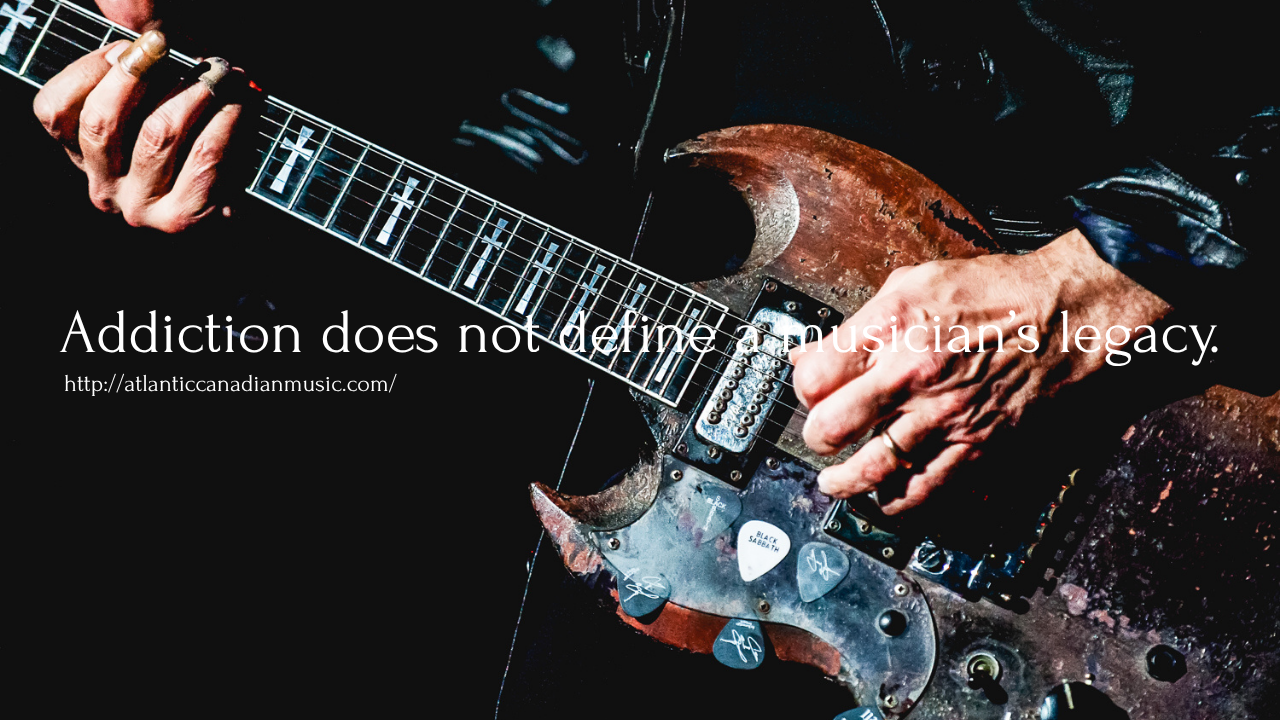
Addiction does not define a musician’s legacy. What truly defines them is the courage to face their demons, the strength to seek help, and the resilience to rebuild. The stories of artists who broke the cycle of addiction and found new purpose remind us that recovery is possible, and that true greatness often comes not from pain, but from healing. By celebrating these journeys, the music world can inspire a new generation of artists to embrace wellness, authenticity, and lasting creative freedom.

Why So Many Brilliant Musicians Battle Addiction – And How They Recover

The history of music is filled with stories of brilliant artists whose talent was both fueled and hindered by addiction. From the legendary struggles of Jimi Hendrix and Janis Joplin to contemporary musicians like Demi Lovato and Macklemore, the connection between musical genius and substance abuse has fascinated and troubled audiences alike. But why are so many musicians vulnerable to addiction, and how do they find their way to recovery?

The Pressure Cooker of Creativity and Fame

Musicians often face immense pressures that can lead to substance abuse. The creative process itself can be intense and emotionally draining. Crafting music often requires artists to tap into deep feelings—pain, joy, love, and loss—leading to emotional highs and lows. Some musicians turn to drugs or alcohol as a way to manage these extreme feelings or to enhance creativity.

Additionally, the music industry demands constant productivity and performance. Touring schedules are grueling, involving late nights, long travel, and physical exhaustion. The stress of public scrutiny and the need to maintain a certain image can create anxiety and loneliness. These pressures can push musicians toward substances as a form of relief or escape.

The Myth of the ‘Tortured Artist’

There is a persistent cultural myth that great art must come from suffering and that addiction somehow fuels creativity. This romanticized view often encourages musicians to engage in risky behaviors or prevents them from seeking help out of fear that sobriety will dull their artistic edge. In reality, addiction usually stifles creativity and undermines an artist’s potential over time.

The Role of Accessibility and Environment

Musicians often find themselves in environments where drugs and alcohol are readily available. Parties, backstage events, and late-night gatherings can normalize substance use. Peer pressure and the desire to fit in or cope with the intense lifestyle can exacerbate vulnerabilities.

The Road to Recovery

Despite these challenges, many musicians have successfully overcome addiction and found new strength in sobriety. Recovery often begins with acknowledgment—the acceptance that substance use is no longer sustainable or healthy. From there, musicians seek support through therapy, rehabilitation programs, and support groups tailored to the unique pressures of the music world.

Organizations like MusiCares and Backline provide critical resources for musicians in recovery, offering counseling, financial assistance, and community. Many artists also use their platforms to raise awareness, breaking the stigma surrounding addiction and encouraging others to seek help.

Sobriety can unlock a new level of clarity and creativity. Artists like Elton John, Eminem, and Lady Gaga have spoken openly about how recovery has improved their lives and work. Their journeys demonstrate that it’s possible to maintain brilliance without the destructive influence of substances.

Conclusion

The intersection of addiction and musical genius is complex, shaped by emotional intensity, industry pressures, and cultural myths. However, recovery offers hope and healing, proving that musicians don’t have to sacrifice their well-being for their art. By fostering understanding and support, the music community can help artists thrive both personally and professionally—ensuring that their creativity shines brightest in health and harmony.

Stage Lights and Shadows: The Emotional Toll of a Life in Music

The life of a musician often appears glamorous—tour buses, roaring crowds, flashing stage lights, and the thrill of creation. Yet behind the dazzling performances lies a reality few see: the emotional toll that a life in music can exact. From the relentless pressure to perform to the isolating nature of fame, musicians frequently grapple with intense mental and emotional challenges that can lead to burnout, anxiety, depression, and substance abuse.

The Weight of Constant Performance

For many musicians, the demands of constant performance can become overwhelming. Touring involves long hours, irregular schedules, and time away from family and friends. The physical exhaustion of performing night after night is compounded by emotional fatigue. Artists are expected to be “on” all the time—delivering powerful performances regardless of their internal state.

This continuous output can leave musicians feeling drained and disconnected from their own emotions. Without time to rest and recharge, it becomes difficult to maintain a healthy balance between their personal identity and their stage persona.

The Isolation of Fame

Fame brings recognition, but it often isolates. Musicians who achieve stardom may find themselves surrounded by people yet profoundly alone. Trust becomes a rare commodity as relationships are complicated by money, status, and public scrutiny. The pressure to live up to fans’ and the industry’s expectations can create a constant state of performance, not just on stage, but in everyday life.

Social media has only intensified this burden, blurring the line between public and private life. Musicians are expected to engage constantly, maintain a flawless image, and be accessible at all times. This unrelenting exposure can exacerbate feelings of vulnerability and inadequacy.

Creative Pressure and Self-Worth

The creative process itself is emotionally taxing. Writing, composing, and producing music involves tapping into deep emotions and often revisiting personal pain. For some, the fear of not living up to past successes or the pressure to produce the next hit can lead to anxiety and self-doubt.

Many musicians also tie their self-worth to their success, equating their value with chart rankings, streaming numbers, and critical acclaim. When success fluctuates—as it inevitably does—their sense of identity can suffer.

Coping and Mental Health

In response to these pressures, some musicians turn to unhealthy coping mechanisms. Substance use, isolation, and self-destructive behaviors can become ways to manage overwhelming emotions. The tragic stories of artists lost too soon—like Chester Bennington, Avicii, and Whitney Houston—are stark reminders of the emotional price of fame.

However, the industry is slowly evolving. More musicians are speaking out about their mental health struggles, and organizations like MusiCares and Backline provide crucial resources for emotional and psychological support.

A Call for Compassion

Understanding the emotional toll of a life in music requires looking beyond the spotlight. Musicians are not just entertainers—they are human beings with complex emotional lives. By fostering environments of empathy, support, and mental wellness, we can help artists thrive both on and off the stage.

Conclusion

The stage lights may shine brightly, but the shadows behind them are real. Acknowledging and addressing the emotional challenges musicians face is essential in creating a healthier, more compassionate music industry—one that values the well-being of the artist as much as the art they create.

Addiction as Inspiration: The Dangerous Myth of the ‘Tortured Musician’

The image of the tortured musician—broken, addicted, and brilliant—has long captivated the public imagination. From Kurt Cobain to Amy Winehouse, history is filled with artists whose personal pain seemed inseparable from their creative genius. Society often romanticizes their struggles, suggesting that suffering and addiction are the price of brilliance. But this myth, while seductive, is dangerous and damaging. It perpetuates the idea that true art must come from agony, and worse, that addiction is an acceptable or even necessary part of the artistic process.

The Origins of the Myth

The myth of the tortured artist dates back centuries, rooted in the belief that great art is born from deep emotional turmoil. In music, this trope became particularly prominent during the rise of rock and roll in the 1960s and 70s. As musicians pushed creative boundaries and challenged societal norms, substance use became closely tied to artistic rebellion. Fans and critics alike began to see addiction not just as a personal struggle, but as a symbol of authenticity and depth.

Over time, this narrative solidified: a musician who suffered was somehow more real, more profound, and more capable of creating timeless work. Their pain was seen not as something to heal, but as something to harness.

The Reality Behind the Romanticism

In truth, addiction is a disease, not a muse. While some artists have produced incredible work during times of turmoil, many more have seen their creativity stifled, their careers derailed, and their lives cut short. Substance abuse impairs cognitive function, erodes mental health, and isolates individuals from the very emotions and experiences that fuel their art.

The notion that addiction enhances creativity overlooks the countless unfinished projects, forgotten lyrics, and missed opportunities caused by substance dependency. It also ignores the very real human cost: broken relationships, declining health, and, in far too many cases, premature death.

Cultural Consequences

The myth of the tortured musician not only affects artists themselves but also influences the broader culture. Young, aspiring musicians may internalize the belief that they must suffer to create meaningful work. They may see addiction not as a warning sign, but as a badge of honor—a rite of passage on the road to greatness.

This cultural reinforcement can make it harder for artists to seek help. They may fear losing their creative edge or being perceived as less authentic. As a result, many suffer in silence, reluctant to admit vulnerability or pursue recovery.

A New Narrative

Fortunately, the music world is beginning to shift. Artists like Macklemore, Florence Welch, and Demi Lovato have spoken openly about their battles with addiction and the clarity they found in recovery. Their stories prove that sobriety can coexist with creativity—that healing can lead to even deeper, more powerful artistic expression.

Organizations like MusiCares and Recovery Unplugged offer tailored support for musicians, challenging the outdated belief that art must come from pain. These efforts are essential in fostering a healthier, more sustainable artistic environment.

Conclusion

Addiction is not a muse. It is a struggle that deserves compassion, understanding, and treatment—not romanticization. By dismantling the myth of the tortured musician, the industry can support artists in finding inspiration through wellness, not suffering. Creativity flourishes not in chaos, but in clarity and connection.

Melodies of Recovery: Why Musicians Are Prone to Addiction

The intersection between musicianship and addiction is a tragic but not uncommon reality. Musicians are often regarded as sensitive, emotional individuals who pour their innermost feelings into their art. While this emotional depth can lead to powerful and moving music, it can also make them more susceptible to addiction. Understanding why musicians are particularly prone to substance abuse involves exploring a range of psychological, environmental, and cultural factors that intertwine to create a perfect storm for addiction.

One of the primary reasons musicians are vulnerable to addiction is the emotional nature of their craft. Music is an intensely personal form of expression, and artists often channel their pain, joy, and struggles into their work. This emotional depth can be both a gift and a curse. The need to constantly explore and express raw emotions can leave musicians feeling overwhelmed and vulnerable, and the temptation to numb those feelings with substances becomes an enticing option. Drugs and alcohol offer temporary relief from the intensity of emotional highs and lows, but they come at a significant cost.

The lifestyle of a musician is another key factor contributing to addiction. The pressures of performing, creating, and constantly being in the public eye can lead to extreme stress and burnout. For many, the reality of the music industry is one of late nights, long hours, and intense competition. These factors contribute to a sense of isolation and anxiety, making substance use an appealing way to cope with these challenges. The environment of the music industry, particularly in genres like rock, hip-hop, and jazz, often glorifies substance use, making it seem like a normal part of the creative process. This glamorization further increases the temptation for artists to experiment with drugs and alcohol.

Additionally, the culture of celebrity in the music world often exacerbates these issues. Musicians are expected to live up to a larger-than-life persona, one that often includes indulgence in hedonistic behaviors such as drug and alcohol use. This culture not only normalizes addiction but can also place immense pressure on musicians to maintain a certain image. The intense scrutiny of public life, combined with the isolation and stress of the artist’s world, can make it difficult for musicians to find a healthy balance between their personal well-being and their career.

Moreover, the constant emotional and creative highs associated with performing and creating music can also make addiction more likely. The dopamine-driven rush of a live performance or the satisfaction of writing a new song can create an emotional rollercoaster. After the highs of creativity and performance come the inevitable lows, which can leave musicians feeling drained, lonely, or empty. Substances offer an artificial way to recreate those high-energy moments and fill the emotional void, but this leads to dependency and addiction.

Mental health issues also play a crucial role in this dynamic. Many musicians struggle with depression, anxiety, and other mental health disorders. In an industry that often values appearance over personal well-being, these struggles can go unrecognized or untreated. The stigma surrounding mental health, coupled with the pressure to maintain a public image, can prevent musicians from seeking the help they need.

Despite the prevalence of addiction in the music industry, there is hope for recovery. Increasing awareness of mental health issues, along with the growing number of resources available for addiction recovery, is helping to change the narrative. Musicians are increasingly speaking out about their struggles, and support systems are evolving to offer healthier alternatives to cope with the pressures of the industry.

By creating an environment that values mental health, open communication, and the well-being of musicians, the music industry can help break the cycle of addiction. Musicians can find new ways to create and perform without the destructive influence of substances, finding true recovery in the melodies of their art.

The Troubled Tune: Understanding the Link Between Creativity, Music, and Addiction

The connection between creativity, music, and addiction is as intricate as the melodies musicians create. Throughout history, countless artists have faced the duality of their creative brilliance and their struggles with addiction, leading many to question why these two phenomena are often intertwined. By understanding this link, we can uncover the psychological, cultural, and environmental factors that contribute to the troubled lives of so many talented musicians.

At its core, creativity is a deeply emotional process. Musicians draw inspiration from their lived experiences, often tapping into the depths of joy, sorrow, love, and despair to craft their art. This emotional vulnerability is a double-edged sword. While it fuels the rawness and authenticity of their work, it can also make them more susceptible to mental health challenges like depression, anxiety, and bipolar disorder. Addiction often arises as an attempt to self-medicate, providing temporary relief from the emotional intensity that accompanies their creativity.

The environment of the music industry further exacerbates these struggles. The lifestyle of constant touring, late nights, and high-pressure performances creates a unique kind of stress. Musicians are expected to give their all to their craft while maintaining an image that aligns with public expectations. This demanding lifestyle often leaves little room for self-care, making substances like drugs and alcohol an appealing, albeit destructive, escape. The party culture ingrained in many music genres only heightens the temptation, normalizing substance use as a coping mechanism.

Cultural narratives surrounding creativity also play a role. Society has long romanticized the image of the “tortured artist,” perpetuating the belief that suffering and self-destruction are integral to great art. Icons like Kurt Cobain, Billie Holiday, and Jim Morrison are often remembered as much for their struggles with addiction as for their musical contributions. This mythos can create a dangerous allure for emerging artists, who may feel pressure to emulate this archetype, even at the cost of their well-being.

Another dimension of the link between creativity and addiction lies in the neurological effects of both processes. Creativity involves high levels of dopamine, a neurotransmitter associated with pleasure and reward. Drugs and alcohol also manipulate dopamine pathways, creating a false sense of euphoria. For musicians, this overlap can create a dangerous cycle: the thrill of creating and performing followed by the allure of substances to sustain or replicate that high. Over time, this dependency can stifle creativity, as addiction clouds the mind and saps the energy required to produce meaningful work.

Despite the challenges, hope is not lost. The music industry is gradually recognizing the importance of addressing mental health and addiction among artists. Initiatives that promote open dialogue, therapy, and peer support are helping to dismantle the stigma surrounding these issues. Artists are also stepping forward to share their stories of recovery, offering a blueprint for balancing creativity with a healthier lifestyle.

By understanding the link between creativity, music, and addiction, we can better support musicians in their artistic journey. True brilliance does not have to come at the expense of well-being. Instead, fostering environments that prioritize mental health and self-care can help artists thrive without succumbing to the troubled tune of addiction.