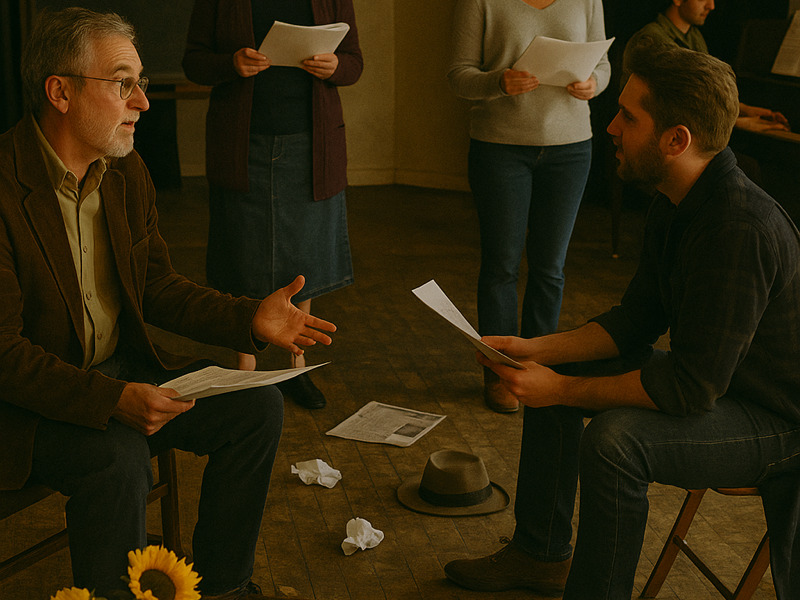
From the outside, the music industry often looks vibrant, exciting, and full of creative freedom. Musicians appear to live dynamic lives filled with performances, travel, and artistic expression. However, behind the spotlight, many face a quieter struggle that often goes unnoticed. Addiction and mental health challenges can develop gradually in high pressure creative environments, affecting not only health and relationships but also creativity itself. Understanding this hidden reality is essential for supporting meaningful recovery and long term well being.
The Hidden Pressure of Creative Careers
Musicians and creative professionals operate in environments that are emotionally intense and unpredictable. Irregular income, demanding schedules, public scrutiny, and constant performance expectations can create ongoing stress. Over time, these pressures can take a toll on mental health.
In many cases, substances may be used as a way to manage anxiety, boost confidence, or cope with exhaustion. While this may provide temporary relief, it can quickly lead to dependency. Addiction often develops quietly, making it difficult for individuals and those around them to recognize the early warning signs.
Emotional Isolation in the Music Industry
Despite being surrounded by audiences, bandmates, or collaborators, many musicians experience emotional isolation. Touring schedules and constant movement can make it difficult to maintain stable relationships or support systems.
This sense of isolation can increase vulnerability to substance use. Without consistent emotional support, individuals may rely on unhealthy coping strategies to manage stress or loneliness.
Understanding Addiction as a Medical Condition
Addiction is not a character flaw or lack of discipline. It is a complex medical condition that affects brain chemistry, emotional regulation, and behavior. It often coexists with mental health conditions such as anxiety, depression, or trauma.
For musicians, these challenges may be intensified by performance pressure and lifestyle demands. Recognizing addiction as a health condition rather than a personal failure is a critical step toward recovery.
The Impact of Addiction on Creativity
One of the most difficult realities for musicians is how addiction can affect creativity. What once felt inspiring and effortless may begin to feel forced or disconnected. Some individuals may rely on substances in an attempt to enhance creativity, only to find that it ultimately diminishes clarity and consistency.
Over time, addiction can disrupt focus, memory, emotional balance, and motivation. This can interfere with the ability to create and perform, leading to further stress and emotional strain.
The Cycle of Stress and Substance Use
Many musicians find themselves caught in a cycle. Stress leads to substance use, which temporarily reduces anxiety but creates long term consequences. As consequences build, stress increases, continuing the cycle.
Breaking this pattern requires professional support, structured treatment, and healthier coping strategies that address both emotional and physical needs.
Pathways to Recovery and Healing
Recovery is a process of rebuilding both health and identity. For musicians and creative professionals, this includes rediscovering a balanced relationship with creativity and performance.
Inpatient Treatment for Stabilization
Inpatient care provides a structured and supportive environment where individuals can focus entirely on recovery. This includes medical supervision, therapy, and daily routines designed to promote stability and healing.
For those experiencing severe addiction or mental health challenges, inpatient care can offer a strong foundation for recovery by removing external pressures.
Outpatient Care for Flexible Support
Outpatient programs allow individuals to continue their daily responsibilities while receiving treatment. This may include therapy sessions, counseling, and group support.
For musicians, outpatient care offers the flexibility to maintain creative work while actively participating in recovery.
Holistic and Faith Based Approaches to Healing
Effective recovery often involves more than clinical treatment. Holistic care addresses the mind, body, and spirit through approaches such as mindfulness, physical wellness, creative expression, and stress management techniques.
Music itself can be a powerful tool in recovery when used intentionally. It can help individuals process emotions, reduce anxiety, and reconnect with identity in a healthy way.
Faith based programs also provide spiritual support, community connection, and a sense of purpose. These elements can be especially meaningful during difficult stages of recovery.
Personalized Care for Lasting Recovery
No two recovery journeys are the same. Individualized treatment plans take into account personal history, mental health needs, and lifestyle factors.
For musicians, personalized care may include creative therapy, trauma informed counseling, and flexible scheduling to support both recovery and artistic goals.
Rebuilding Life Beyond Addiction
Recovery is not only about stopping substance use. It is about rebuilding a meaningful and sustainable life. Many musicians in recovery find that their creativity becomes clearer and more authentic without the influence of substances.
Supportive practices may include:
- Establishing consistent daily routines
- Engaging in therapy or peer support groups
- Using music as a healthy emotional outlet
- Practicing mindfulness and stress reduction techniques
- Building strong personal and professional support networks
These habits help reinforce stability and support long term well being.
Conclusion
Behind the spotlight, many musicians face silent struggles with addiction and mental health challenges. While these issues can feel isolating, they are both common and treatable. With the right support, recovery is not only possible but deeply transformative.
Through professional addiction recovery services, mental health treatment, inpatient and outpatient care, and holistic approaches, musicians can rebuild their lives while preserving their creativity. Healing takes time, but no one has to go through it alone.
If you or someone you care about is struggling, reaching out for help is the most important first step. Compassionate, individualized care can open the door to recovery, stability, and a renewed connection to both life and music.