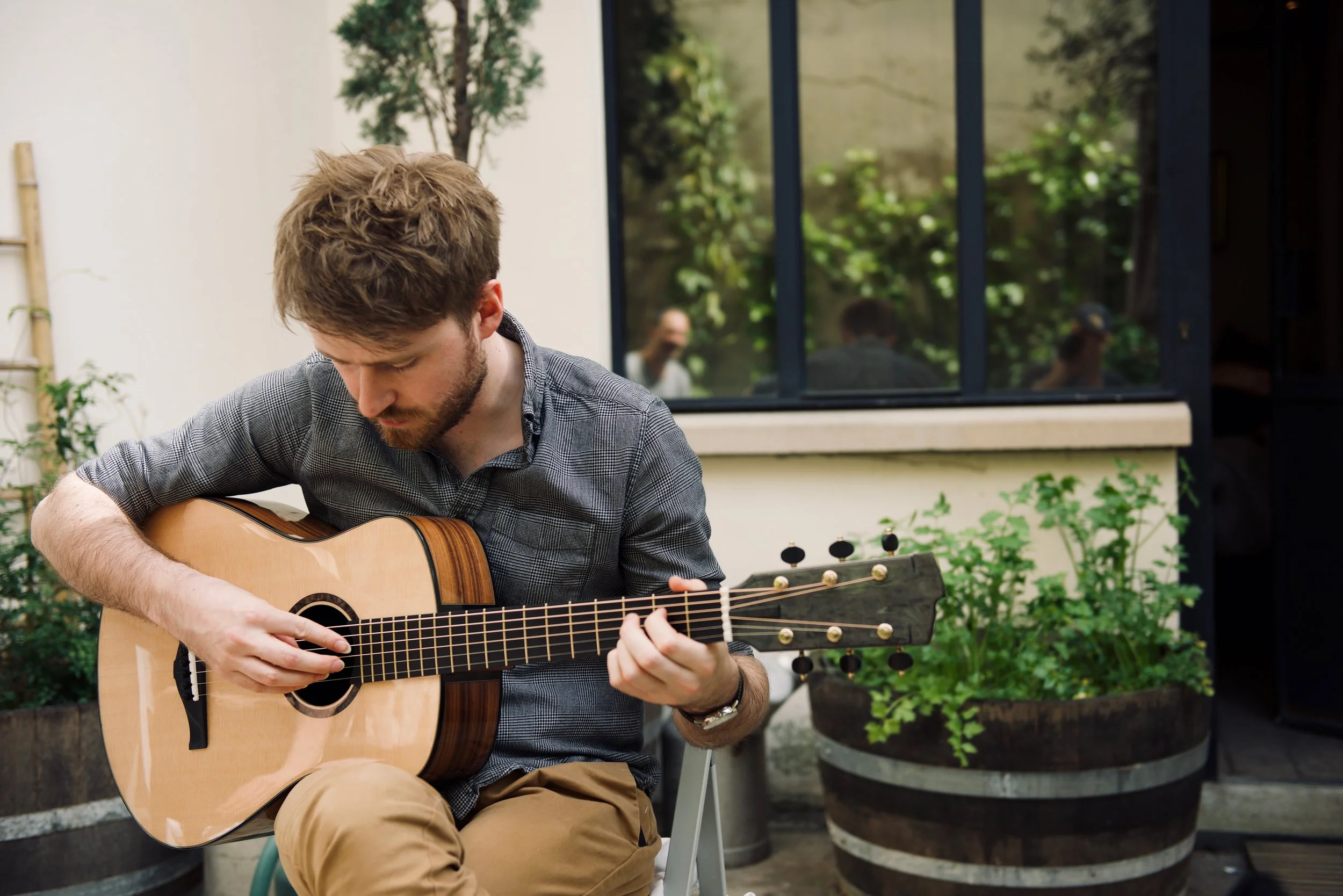
Music has a unique ability to reach people in ways words alone sometimes cannot. For individuals facing addiction and mental health challenges, creativity can become more than expression. It can become a pathway to healing, stability, and self understanding. Within recovery programs, music is increasingly recognized as a powerful therapeutic tool that supports emotional regulation, reduces stress, and helps rebuild identity after addiction.
The Connection Between Music and Healing
Addiction and mental health struggles often develop in response to emotional pain, trauma, or chronic stress. Over time, substances may become a way to cope or disconnect from overwhelming feelings. Recovery requires more than stopping substance use. It involves learning new ways to process emotions and rebuild a sense of self.
Music naturally supports this process. It engages memory, emotion, and cognition at the same time. Listening to or creating music can help individuals access feelings that are difficult to express, making it easier to process experiences in therapy and daily life.
Why Creativity Matters in Recovery
Creative expression offers a safe outlet for emotional release. Instead of suppressing feelings or turning to unhealthy coping mechanisms, individuals can channel their emotions into songwriting, playing instruments, or simply listening with intention.
This process helps:
- Reduce anxiety and emotional tension
- Improve self awareness
- Support emotional regulation
- Encourage healthy expression of difficult experiences
For many people, creativity becomes a replacement coping strategy that strengthens long term recovery.
Music in Addiction and Mental Health Treatment
Modern addiction recovery services increasingly include creative therapies as part of a comprehensive treatment plan. In both inpatient and outpatient care settings, music can play an important role in supporting emotional and psychological healing.
Inpatient Care and Structured Creative Healing
In inpatient programs, individuals are in a safe and structured environment where they can focus fully on recovery. Music therapy sessions may be included alongside counseling, group therapy, and medical care.
These sessions often involve guided listening, lyric writing, or collaborative music creation. This structured approach helps individuals process emotions in real time while building healthy coping skills.
Outpatient Care and Continued Creative Support
Outpatient treatment allows individuals to continue their recovery journey while returning to daily responsibilities. Music can remain an ongoing part of healing during this stage.
Patients may be encouraged to use music at home as a grounding tool, attend therapy sessions that include creative expression, or join support groups that integrate art based recovery practices.
This continuity helps reinforce progress made in earlier stages of treatment.
Holistic and Faith Based Approaches to Creative Recovery
Holistic recovery recognizes that healing involves the mind, body, and spirit. Music fits naturally into this approach because it supports emotional, physical, and spiritual well being.
Creative recovery methods may include:
- Music therapy sessions guided by trained professionals
- Mindfulness practices combined with music listening
- Journaling alongside songwriting or lyric reflection
- Group music activities to build connection and trust
Faith based programs may also use music as a form of spiritual connection, reflection, and hope. Many individuals find strength and encouragement through inspirational or meaningful music during recovery.
Music as a Tool for Identity Rebuilding
Addiction can often lead to a loss of identity. Many individuals describe feeling disconnected from who they were before substance use began. Music can help rebuild that sense of self.
For musicians, returning to their instrument or songwriting can feel like rediscovering a core part of themselves. For non musicians, simply engaging with music intentionally can create structure, comfort, and emotional clarity.
Over time, music becomes more than therapy. It becomes a reminder of growth, resilience, and personal transformation.
Practical Ways to Use Music in Recovery
Individuals in recovery can incorporate music into their daily routines in simple and meaningful ways:
- Creating playlists that support different emotional states
- Writing lyrics or journaling feelings inspired by music
- Practicing breathing or grounding exercises with calming songs
- Attending group sessions that include creative expression
- Using music as part of mindfulness or relaxation routines
These practices help reinforce emotional stability and provide healthy alternatives to old coping patterns.
Conclusion
Creative recovery shows that healing does not have to be limited to clinical settings. Music offers a powerful bridge between emotional pain and personal growth. When integrated into addiction recovery services and mental health treatment, it can support lasting change, deeper self understanding, and renewed hope.
If you or someone you care about is struggling with addiction or mental health challenges, reaching out for professional support is an important first step. With compassionate care, individualized treatment, and creative approaches like music therapy, recovery is not only possible but deeply transformative.