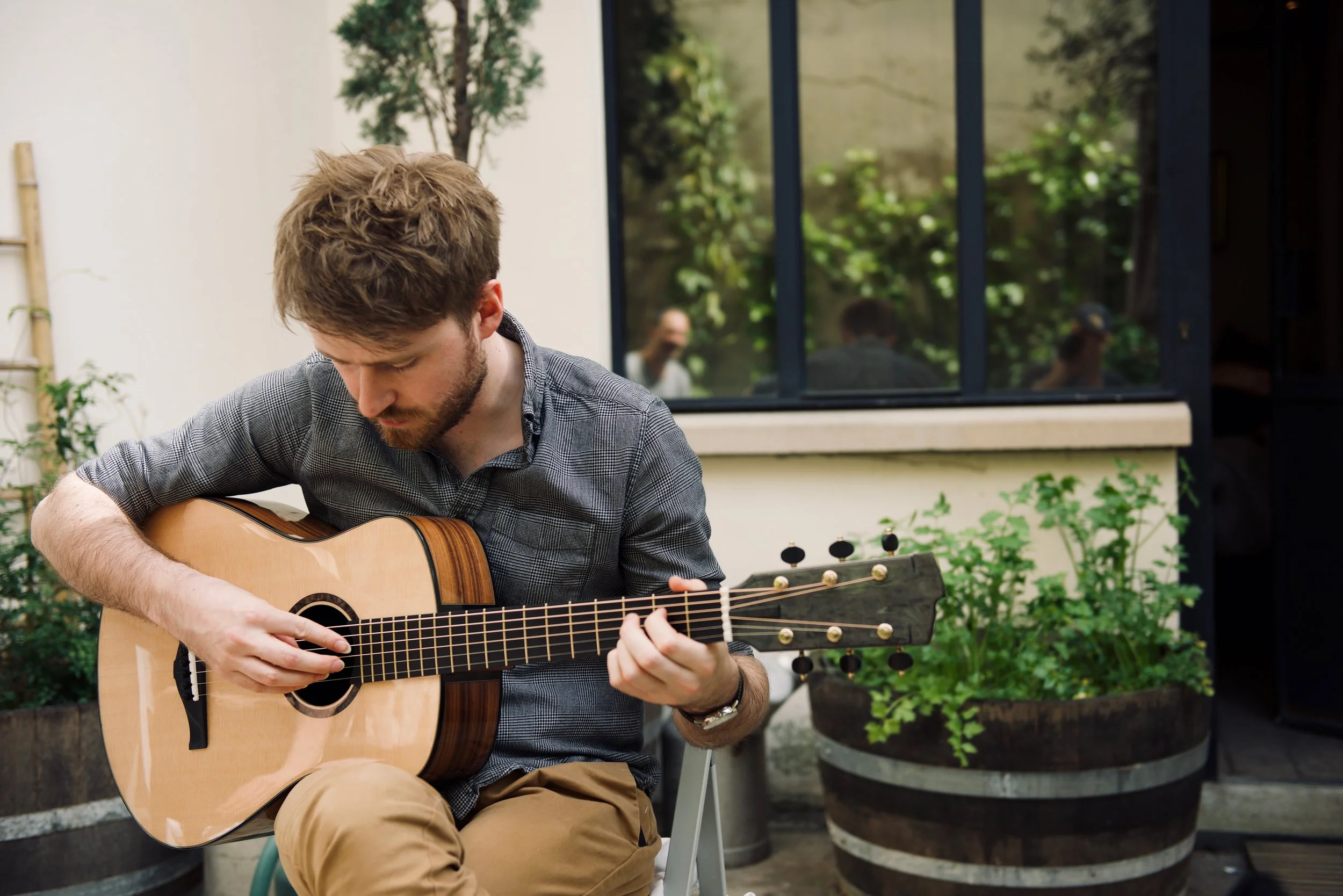
Behind the Beat: How Musicians Navigate Addiction, Mental Health & Healing

For many musicians, the spotlight shines brightly, but behind the stage lights, the pressures of performing, touring, and the creative demands of the music industry can take a toll on mental health. Substance use and addiction can become coping mechanisms for stress, anxiety, or depression. Understanding the intersection of music, mental health, and addiction is vital for anyone in the industry or those supporting them. Recovery is possible, and it starts with compassionate, individualized care.

Understanding Addiction in the Music Industry

Musicians face unique challenges that can increase the risk of substance use. Long hours, irregular schedules, and the constant pressure to perform can create an environment where drugs or alcohol appear to offer relief. While addiction affects anyone regardless of background, musicians often encounter stigma that discourages them from seeking help.

Addiction is not a sign of weakness. It is a treatable medical condition, and addressing it early can prevent long-term harm to both personal health and career. Mental health conditions such as anxiety, depression, or bipolar disorder often co-occur with addiction, making professional treatment crucial for sustained recovery.

The Role of Professional Treatment

Effective recovery begins with professional support. Inpatient programs provide intensive care in a structured environment, helping musicians detox safely and establish a foundation for long-term sobriety. Outpatient programs offer flexibility for those who need to continue working or touring while receiving ongoing therapy, counseling, and support.

Holistic approaches are particularly valuable in the music community. Music therapy, mindfulness practices, and creative expression can complement traditional treatments, helping patients explore emotions, reduce stress, and strengthen coping mechanisms. Faith-based programs also provide spiritual support and community connection, fostering hope and resilience.

Personalized Care Plans

No two recovery journeys are the same. A musician’s treatment plan should reflect their specific needs, including the type of addiction, co-occurring mental health conditions, lifestyle factors, and personal goals. Individualized care ensures that therapy, counseling, and wellness practices address both the emotional and physical aspects of recovery.

Coping Strategies for Musicians

While professional treatment is essential, musicians can also adopt practical strategies to support their mental health:

  • Structured routines: Consistent sleep, practice, and work schedules can reduce stress.
  • Healthy outlets: Exercise, creative hobbies, and journaling can channel energy constructively.
  • Support networks: Trusted friends, family, and peer groups provide accountability and emotional support.
  • Mindfulness and meditation: Techniques for grounding and managing anxiety can prevent relapse triggers.

Reducing Stigma and Seeking Help

Stigma remains one of the biggest barriers for musicians seeking treatment. Open conversations about mental health and addiction within the industry can normalize the process of asking for help. Recovery is a sign of strength, not failure, and sharing stories of healing can inspire others to take that first step.

Conclusion

Addiction and mental health challenges do not have to define a musician’s life or career. With compassionate, professional care and a personalized approach, recovery is achievable. If you are a musician struggling with substance use or mental health concerns, reaching out to a trusted treatment provider can be life-changing. Every note played, every song written, and every stage performance can become a celebration of resilience, healing, and hope.

Take the first step today by connecting with a professional who understands the unique challenges musicians face. Recovery is possible, and it starts with reaching out.

Recovery and Creativity: How Artists Can Thrive Without Substances

For many artists, creativity is both a passion and a way of life. Music, painting, and other forms of art allow self-expression, emotional exploration, and connection with audiences. Unfortunately, the pressures of a creative career—long hours, public scrutiny, financial uncertainty, and constant demands for innovation—can make artists vulnerable to substance use. Drugs and alcohol may seem like tools to enhance inspiration or manage stress, but over time they often hinder both health and artistic potential. Recovery offers a pathway for artists to thrive creatively while maintaining sobriety, clarity, and well-being.

The Intersection of Creativity and Addiction

Creative professions often involve high emotional intensity and irregular routines, which can increase susceptibility to addiction. Musicians, for example, may face late-night performances, rigorous touring schedules, and the pressure to continuously produce new material. While substances may initially feel like a solution to cope with stress or fuel artistic flow, they can create cycles of dependency, emotional strain, and diminished performance.

How Substance Use Affects Artistic Output

Though some artists believe substances boost creativity, research shows that long-term use can impair focus, cognitive function, and emotional regulation. Many creatives experience bursts of inspiration followed by exhaustion, anxiety, or depression. Addiction can make the creative process unpredictable, leading to missed opportunities, stalled projects, or compromised artistic integrity.

Reclaiming Creativity Through Recovery

Sobriety does not mean sacrificing artistic expression. On the contrary, recovery allows artists to reconnect with their craft in a more authentic and sustainable way. Without the influence of substances, creative individuals can access emotional depth, sharpen focus, and maintain consistent output. Many artists report that their most meaningful and resonant work emerges after embracing recovery, demonstrating that true creativity thrives in health, not in dependency.

Holistic and Individualized Support

Atlantic Canadian Music provides recovery programs specifically designed for creative individuals. Holistic care integrates mental health treatment, therapy, creative expression, and optional faith-based support. Each client receives an individualized plan that addresses the root causes of addiction while nurturing both personal and artistic growth.

Inpatient and Outpatient Programs

Inpatient programs offer structured, immersive care for artists who need intensive support and space to focus on recovery. Outpatient programs provide flexibility, enabling creatives to continue working while participating in therapy, counseling, and group support. Both approaches prioritize client-centered care that addresses the unique challenges of sustaining creativity while maintaining sobriety.

Practical Strategies for Thriving Creatively in Recovery

  1. Establish a Consistent Routine: Structured practice, self-care, and creative sessions help maintain focus and productivity.
  2. Seek Inspiration in New Ways: Collaborations, exploring different genres, or trying new instruments can spark fresh ideas.
  3. Develop Healthy Coping Skills: Mindfulness, journaling, therapy, and physical activity provide effective stress management without relying on substances.
  4. Build a Supportive Network: Mentors, peers, and recovery professionals provide accountability, encouragement, and guidance.

Flourishing Without Substances

Recovery is not the end of artistry; it is a new beginning. Sobriety empowers artists to create with clarity, emotional depth, and long-term resilience. Atlantic Canadian Music offers compassionate, holistic, and individualized care to help creatives navigate recovery while maintaining their inspiration and artistic excellence. If you or someone you love is struggling with addiction, taking the first step today can lead to a future where both life and art thrive. Your creativity deserves a foundation built on health, clarity, and well-being.

Balancing Art and Health: Sobriety Strategies for Musicians

For musicians, creativity is deeply personal. Music often becomes a way to process emotion, manage stress, and connect with others. Yet the same environments that nurture artistic growth can also expose musicians to substance use and mental health challenges. Long hours, performance pressure, irregular schedules, and cultural norms within the music scene can make drugs or alcohol feel like a coping tool. Over time, this balance tips, and health begins to suffer. Recovery offers a way forward that protects both artistic passion and personal well-being.

Why Musicians Are Vulnerable to Addiction

Musicians often operate in high intensity environments that reward output without always supporting health. Touring schedules, late nights, financial uncertainty, and public expectations can all contribute to emotional exhaustion. Many artists turn to substances to calm anxiety, boost confidence, or push through creative blocks.

The Myth of Substances and Creativity

A common belief in music culture is that drugs or alcohol enhance creativity. While substances may temporarily lower inhibitions, they often impair focus, memory, emotional regulation, and consistency over time. Many musicians in recovery discover that sobriety actually improves their ability to write, perform, and connect authentically with their audience.

Reframing Sobriety as a Creative Advantage

Recovery is not about losing inspiration. It is about reclaiming control and creating from a place of clarity. Sobriety allows musicians to experience emotions fully, manage stress more effectively, and sustain long term creative output without burnout.

Mental Health Support as a Foundation

Addiction and mental health are closely linked. Anxiety, depression, and trauma frequently underlie substance use. Atlantic Canadian Music recognizes the importance of treating the whole person, not just the addiction. Mental health counseling, therapy, and emotional support help musicians understand their triggers and build healthier coping strategies that support both recovery and creativity.

Practical Sobriety Strategies for Musicians

Maintaining sobriety while pursuing a music career requires intentional planning and support. The following strategies can help musicians protect their health without sacrificing artistic growth.

Create Structure in an Unstructured Career

Music careers are often unpredictable. Establishing routines around sleep, meals, practice time, and self-care creates stability. Consistent structure helps regulate mood and energy levels, making it easier to stay grounded during busy or stressful periods.

Build a Supportive Community

Recovery thrives in connection. Musicians benefit from surrounding themselves with people who support sobriety and mental health. This may include recovery groups, trusted peers, counselors, or mentors who understand the unique pressures of creative work.

Learn Healthy Ways to Manage Stress

Performance anxiety, creative pressure, and criticism are unavoidable in the music world. Therapy, mindfulness practices, physical activity, and creative exploration can replace substances as tools for stress relief. These skills strengthen resilience and reduce the risk of relapse.

Personalized Treatment Options That Support Recovery

Atlantic Canadian Music offers both inpatient and outpatient programs designed to meet musicians where they are in their recovery journey.

Inpatient and Outpatient Care

Inpatient treatment provides a structured environment for individuals who need intensive support and space to reset. Outpatient care offers flexibility for musicians who want to continue working while receiving therapy and addiction treatment. Both options emphasize individualized care plans that address creative identity, mental health, and long term wellness.

Holistic and Faith Based Approaches

Healing often involves more than physical sobriety. Holistic services may include creative expression, spiritual support, and emotional healing. For those who seek it, faith based care provides meaning, purpose, and connection during recovery.

Protecting Your Health and Your Music

Balancing art and health is not only possible, it is essential. Sobriety allows musicians to create with intention, consistency, and emotional depth. Recovery strengthens focus, restores confidence, and supports sustainable creative careers. Atlantic Canadian Music is committed to helping musicians heal through compassionate, professional, and individualized care. If you or someone you love is struggling, reaching out is the first step toward a healthier life and a stronger creative future. Your music deserves a foundation built on well-being.

Finding Your Rhythm Again: Addiction Recovery for Creative Minds

For many musicians and creative professionals, the act of making music is more than a profession—it is a lifeline, a way to process emotions, and a source of personal identity. Unfortunately, the pressures of the music industry and the demands of creative work can make artists especially vulnerable to substance use. Drugs and alcohol may initially seem like tools to manage anxiety, boost energy, or enhance creativity. Over time, however, reliance on substances can disrupt both mental health and artistic potential. Recovery offers a path to reclaim your life, your health, and your creativity, allowing artists to find their rhythm again.

Understanding Addiction in Creative Professions

Creative individuals often face unique challenges that increase the risk of addiction. Irregular schedules, late-night performances, public scrutiny, and the pressure to constantly innovate can create high levels of stress. For some, substances appear to provide relief or inspiration. Unfortunately, these temporary solutions often lead to dependency, emotional strain, and professional setbacks.

The Effect of Substances on Creativity

While some musicians believe substances enhance their creative output, research shows that long-term use can impair cognitive function, emotional clarity, and memory. Many artists experience cycles of intense inspiration followed by burnout, anxiety, or depression. This unpredictable pattern can make the creative process feel exhausting, ultimately interfering with both professional success and personal fulfillment.

Rediscovering Creativity in Recovery

Sobriety allows musicians to reconnect with their craft in a more authentic and sustainable way. Without the influence of substances, artists can access emotional depth, sharpen focus, and find inspiration in a healthier, more reliable manner. Many creative professionals report that some of their most meaningful work emerges after embracing recovery, demonstrating that true creativity thrives in clarity and balance.

Holistic and Individualized Care

Atlantic Canadian Music offers recovery programs tailored to meet the specific needs of musicians and creative minds. Holistic care combines mental health treatment, therapy, creative expression, and optional faith-based guidance. Individualized treatment plans address both the underlying causes of addiction and the unique pressures of sustaining a creative career, fostering both personal healing and artistic growth.

Inpatient and Outpatient Recovery Options

Inpatient programs provide a structured, immersive environment, allowing musicians to focus fully on recovery while receiving professional guidance. Outpatient programs offer flexibility for those balancing work, performance, or family responsibilities while continuing therapy, counseling, and group support. Both approaches emphasize compassionate, client-centered care designed to support long-term sobriety and artistic excellence.

Practical Strategies for Maintaining Creativity in Recovery

  1. Develop a Consistent Routine: Regular practice, sleep, and self-care routines support mental clarity and creative output.
  2. Seek New Inspiration: Collaborating with peers, exploring new genres, or experimenting with different instruments can reignite artistic passion.
  3. Adopt Healthy Coping Mechanisms: Mindfulness, journaling, and therapy provide tools to manage stress and emotional challenges.
  4. Build a Supportive Network: Mentors, peers, and recovery professionals offer guidance, encouragement, and accountability.

Reclaiming Your Life and Music

Recovery is not the end of your creative journey—it is a new beginning. Sobriety allows musicians and creative professionals to reconnect with their art, regain emotional depth, and sustain long-term inspiration. At Atlantic Canadian Music, compassionate, holistic, and individualized care empowers artists to navigate recovery while maintaining their creative edge. If you or a loved one is struggling with addiction, take the first step today. Finding your rhythm again is possible, and your music can thrive alongside your health and well-being.

The Musician’s Guide to Recovery: Staying Inspired Without Drugs or Alcohol

For musicians, music is more than a career—it is a form of self-expression, a way to connect with emotions, and a lifeline during life’s most challenging moments. Unfortunately, the pressures of the music industry can make artists vulnerable to substance use. Drugs and alcohol may seem like tools to enhance creativity, manage stress, or maintain performance stamina. Over time, however, reliance on substances can undermine both mental health and artistic potential. Recovery offers a path to reclaiming creativity while maintaining sobriety, providing musicians with clarity, focus, and renewed inspiration.

Understanding Addiction in the Music World

Musicians face unique pressures that increase the risk of addiction. Irregular schedules, long tours, and the constant expectation to produce high-quality work can create overwhelming stress. Substance use may initially appear to provide relief or inspiration, but it often becomes a cycle of dependency, affecting both personal well-being and professional performance.

How Substance Use Impacts Creativity

While some artists believe substances enhance their creative edge, long-term use often impairs focus, emotional regulation, and memory. Many musicians experience bursts of inspiration followed by burnout, anxiety, or depression. This cycle can make the creative process unpredictable and exhausting, making it difficult to create consistently without relying on substances.

Rediscovering Inspiration in Sobriety

Recovery allows musicians to engage with their artistry on a deeper and more authentic level. Sobriety restores mental clarity, emotional depth, and cognitive function, enabling artists to create work that is both meaningful and sustainable. Many musicians find that their most compelling and heartfelt compositions emerge after embracing recovery, proving that creativity flourishes in health, not dependency.

Holistic and Personalized Support

At Atlantic Canadian Music, recovery programs are tailored to meet the specific needs of musicians. Holistic care integrates mental health treatment, therapy, creative expression, and optional faith-based support. Individualized plans address both the root causes of addiction and the unique challenges of sustaining creativity, helping clients rebuild their lives and artistic identity.

Inpatient and Outpatient Programs

Inpatient programs provide structured, immersive care, allowing musicians to focus fully on healing while receiving professional guidance. Outpatient programs offer flexibility, supporting ongoing therapy, group support, and counseling while enabling musicians to continue creative work and personal responsibilities. Both options prioritize compassionate, client-centered care to promote long-term recovery and artistic growth.

Practical Tips for Staying Inspired in Recovery

  1. Maintain a Routine: Establish regular practice schedules and self-care habits to support creativity and mental health.
  2. Seek New Inspiration: Collaborate with peers, explore new musical styles, or experiment with songwriting techniques.
  3. Adopt Healthy Coping Mechanisms: Mindfulness, journaling, and therapy provide tools to manage stress and emotional challenges.
  4. Build a Support Network: Surround yourself with mentors, peers, and recovery professionals who understand both music and addiction recovery.

Creativity and Sobriety Can Coexist

Sobriety does not require sacrificing your musical passion. On the contrary, recovery can enhance creativity, emotional depth, and personal resilience. At Atlantic Canadian Music, compassionate, holistic, and individualized care empowers musicians to navigate recovery while maintaining inspiration and artistic excellence. If you or someone you love is struggling with substance use, take the first step today. Recovery is not just about sobriety—it is about reclaiming your life and your music.

From Chaos to Clarity: Maintaining Your Musical Passion in Sobriety

For musicians, creativity is often intertwined with emotion, energy, and personal experience. Unfortunately, the same intensity that fuels artistry can sometimes lead to substance use. Drugs and alcohol may seem like tools to cope with stress, enhance inspiration, or manage the pressures of performance. Over time, however, dependence on substances can disrupt focus, harm health, and even threaten a musician’s career. Sobriety offers a path to reclaim both life and art, providing clarity, resilience, and renewed creative passion.

Understanding the Challenges Musicians Face

Musicians encounter unique pressures that increase vulnerability to addiction. Touring schedules, late-night performances, and public scrutiny can create stress that feels unmanageable. The constant expectation to produce innovative music while maintaining personal and professional responsibilities adds further strain. Substances may initially appear to provide relief or spark creativity, but they often lead to cycles of chaos, emotional volatility, and diminished artistic output.

How Addiction Impacts Creativity

While some artists believe substances enhance their creative edge, research shows that long-term use impairs cognitive function, emotional regulation, and memory. Many musicians experience periods of inspiration followed by burnout, anxiety, or depression. Addiction can make the creative process feel unpredictable and exhausting, eroding the joy of making music. Recognizing this pattern is the first step toward reclaiming both creativity and well-being.

Rediscovering Music in Sobriety

Sobriety allows musicians to reconnect with their artistry on a deeper, more authentic level. Without the influence of substances, creativity can flow naturally, rooted in genuine emotion and focus. Many artists find that sobriety brings renewed clarity, emotional insight, and a sense of purpose that enhances both performance and songwriting.

Holistic and Individualized Support

Atlantic Canadian Music offers recovery programs specifically designed for musicians, combining addiction treatment with mental health care and holistic support. Individualized treatment plans address each client’s unique challenges, integrating therapy, creative expression, and optional faith-based guidance. This personalized approach helps musicians rebuild their lives while preserving their artistic identity.

Inpatient and Outpatient Options

Inpatient programs provide a structured, supportive environment for intensive recovery, allowing musicians to focus entirely on healing. Outpatient programs offer flexibility for those balancing work, performance, or family obligations while receiving ongoing therapy, counseling, and group support. Both options prioritize compassionate, client-centered care, ensuring each person has the tools to maintain long-term sobriety and creativity.

Practical Tips for Maintaining Creativity in Recovery

  1. Establish Routine: Consistent practice schedules and healthy daily habits reinforce focus and inspiration.
  2. Explore New Influences: Collaborating with peers or experimenting with different genres can spark fresh ideas.
  3. Utilize Healthy Coping Mechanisms: Mindfulness, journaling, and therapy support emotional regulation without relying on substances.
  4. Build a Support Network: Mentors, peers, and recovery professionals provide guidance, accountability, and encouragement.

A Life and Music Reimagined

Recovery does not mean sacrificing musical passion. On the contrary, sobriety allows musicians to regain clarity, emotional depth, and sustainable inspiration. At Atlantic Canadian Music, compassionate, holistic, and individualized care empowers artists to navigate recovery while maintaining their creative edge. If you or someone you love is struggling with substance use, take the first step today. Moving from chaos to clarity is possible, and your music can flourish alongside your health and well-being.

Healing Through Harmony: The Journey to Recovery for Musicians

For musicians, music is more than an art form; it is a lifeline, a way to process emotions, and a source of identity. Yet the same creativity that fuels inspiration can sometimes become entangled with addiction. The pressures of performance, irregular schedules, and public scrutiny can make musicians vulnerable to substance use. While drugs and alcohol may appear to enhance creativity or relieve stress, they often lead to cycles of dependency, emotional strain, and health risks. Recovery offers a path to restore both health and artistic passion, proving that musicians can heal without losing their music.

Understanding Addiction in the Music Industry

Musicians face unique challenges that contribute to a higher risk of substance use. Long tours, late-night performances, and the pressure to constantly innovate create stress that can feel overwhelming. Substance use may initially provide relief or inspiration, but over time it hijacks the brain’s reward system, diminishing natural motivation and creativity.

How Addiction Affects Creativity

While substances may create the illusion of enhanced performance, they often impair focus, memory, and emotional clarity. Many musicians find that their work suffers, relationships become strained, and mental health declines. The cycle of highs and lows can be exhausting, making it increasingly difficult to create without relying on chemicals.

Rediscovering Art Through Recovery

Recovery allows musicians to reconnect with their craft in a more authentic and sustainable way. Sobriety restores clarity, emotional depth, and cognitive function, enabling artists to create work that is both inspired and grounded. Many musicians report that their most powerful and meaningful compositions emerge after embracing recovery, proving that creativity does not require substances—it thrives in health and balance.

Holistic and Individualized Treatment

At Atlantic Canadian Music, recovery programs are designed with the unique needs of musicians in mind. Holistic approaches integrate mental health therapy, creative expression, and optional faith-based support. Individualized treatment ensures each client receives care tailored to their personal history, goals, and artistic ambitions, fostering both healing and growth.

Inpatient and Outpatient Options

Inpatient programs provide structured, immersive care, allowing musicians to focus entirely on recovery while receiving support from trained professionals. Outpatient programs offer flexibility for those balancing work or family commitments, providing therapy, counseling, and group support while maintaining daily responsibilities. Both programs prioritize compassionate, client-centered care and long-term success.

Strategies to Sustain Creativity in Sobriety

  1. Establish Healthy Routines: Consistent practice schedules and self-care habits help maintain focus and inspiration.
  2. Explore New Creative Outlets: Collaborations, songwriting workshops, or experimenting with new genres can renew artistic energy.
  3. Build a Support Network: Mentors, peers, and recovery professionals provide encouragement, accountability, and guidance.
  4. Prioritize Mental Health: Therapy, mindfulness, and stress management techniques help musicians manage challenges without relying on substances.

Harmony in Life and Music

Recovery is not the end of artistry; it is the beginning of a more sustainable, fulfilling creative journey. Musicians can reclaim their health, rebuild relationships, and create work that resonates with authenticity and emotional depth. At Atlantic Canadian Music, compassionate, holistic, and individualized care empowers artists to heal while preserving the music that defines them. If you or a loved one is struggling with addiction, take the first step toward recovery today. Healing through harmony is possible, and your music can thrive alongside your well-being.

Sobriety and Songwriting: Reclaiming Your Music Without Substances

For many musicians, songwriting is a deeply personal and emotional journey. It is a way to process experiences, express creativity, and connect with audiences. Yet for some artists, this creative process has been intertwined with substance use. Drugs and alcohol may seem like tools to enhance inspiration, ease anxiety, or maintain energy, but over time, they can undermine both mental health and artistic potential. The good news is that musicians can reclaim their craft in sobriety. Recovery not only restores health but often strengthens creativity, focus, and emotional depth.

The Impact of Substances on Creativity

Substances affect the brain’s reward system, producing temporary feelings of euphoria or heightened focus. While these effects may seem to aid songwriting, they come at a cost. Prolonged use can impair cognitive function, hinder emotional regulation, and disrupt memory. Many musicians experience cycles of creative bursts followed by emotional crashes, missed deadlines, or decreased productivity. What may feel like inspiration is often a temporary mask for underlying stress, anxiety, or depression.

Why Musicians Are Vulnerable

Musicians face unique pressures that increase the risk of substance use. Irregular schedules, touring demands, financial uncertainty, and public scrutiny create stress that can be difficult to manage. The expectation to consistently produce compelling work adds another layer of pressure. For some, substances appear to provide a shortcut to performance confidence or creative flow. Over time, however, reliance on chemicals replaces healthy coping strategies and makes the creative process feel dependent on artificial highs.

Reclaiming Music Through Sobriety

Recovery is not about sacrificing artistry; it is about restoring it. Sobriety allows musicians to engage fully with their emotions, sharpen focus, and cultivate authentic creativity. Many artists find that once substances are removed, they can access deeper emotional truths and create work that resonates more powerfully with themselves and their audiences.

Holistic and Individualized Support

At Atlantic Canadian Music, recovery programs are tailored to meet the needs of musicians. Holistic care integrates mental health treatment, therapy, creative expression, and optional faith-based guidance. Each treatment plan is individualized, helping clients address the root causes of substance use while building strategies for sustainable well-being and creativity.

Inpatient and Outpatient Care Options

Inpatient programs provide structured, immersive support, allowing musicians to focus entirely on recovery and personal growth. Outpatient programs offer flexibility, enabling artists to continue creative work while participating in therapy, counseling, and group support. Both approaches emphasize compassionate, client-centered care designed to promote long-term recovery and artistic flourishing.

Strategies for Maintaining Creativity in Recovery

  1. Establish Routine: Consistent practice schedules and healthy daily habits support both creativity and mental health.
  2. Explore New Inspirations: Engaging in new experiences, collaborations, or genres can renew creative energy.
  3. Use Healthy Coping Tools: Mindfulness, journaling, or therapy helps manage stress without relying on substances.
  4. Build a Support Network: Connecting with peers, mentors, and professionals reinforces resilience and accountability.

Healing Without Losing the Music

Sobriety does not mean sacrificing your artistry. On the contrary, it allows musicians to reclaim their craft with clarity, emotional depth, and sustainable inspiration. At Atlantic Canadian Music, compassionate, holistic, and individualized care supports musicians in navigating recovery while maintaining their creative edge. If you or a loved one is struggling with substance use, reach out today. Healing and artistic fulfillment can coexist, offering a future where music thrives alongside health and well-being.

Breaking Free from Addiction: How Musicians Can Stay Creative in Recovery

For musicians, music is more than a career—it is a form of expression, a way to connect with emotions, and a lifeline through life’s challenges. Yet the pressures of the industry, combined with personal struggles, can make musicians particularly vulnerable to substance use. Drugs and alcohol may seem like tools to boost creativity, manage stress, or cope with performance anxiety. The truth is that addiction can erode both health and artistry. The good news is that recovery does not mean losing your creativity. With the right support, musicians can break free from addiction while maintaining—and even enhancing—their artistic expression.

Understanding the Connection Between Music and Addiction

Music naturally stimulates the brain’s reward system, releasing dopamine and creating feelings of joy and fulfillment. Substances like alcohol, opioids, or stimulants can mimic this effect, intensifying pleasure and temporarily enhancing focus. For some musicians, this creates a dangerous association between creativity and substance use. Over time, reliance on these artificial highs can lead to dependency, negatively affecting mental health, relationships, and professional performance.

The Pressures Musicians Face

Musicians face unique challenges that can exacerbate the risk of addiction. Touring schedules, late-night performances, and public scrutiny can contribute to stress and emotional fatigue. The industry often expects consistent creativity, while personal life may be unpredictable or isolating. For many, substances initially appear to be a solution to manage anxiety, boost energy, or enhance inspiration. Unfortunately, this short-term relief often leads to long-term consequences.

Staying Creative in Recovery

Recovery offers an opportunity to rediscover artistry in a more sustainable and fulfilling way. Sobriety allows musicians to access their emotions clearly, think more creatively, and build resilience. Many artists find that their work becomes richer and more authentic once they are no longer dependent on substances.

Holistic and Individualized Support

At Atlantic Canadian Music, recovery programs are designed to address the unique needs of musicians. Holistic care integrates mental health treatment, therapy, creative expression, and optional faith-based support. Each treatment plan is individualized, ensuring clients receive guidance that aligns with their personal goals and lifestyle.

Inpatient and Outpatient Care Options

Inpatient programs provide structured support in a safe environment, helping musicians focus on healing without external pressures. Outpatient care allows individuals to maintain personal and professional responsibilities while receiving ongoing therapy, group support, and counseling. Both approaches emphasize compassionate, client-centered care designed to promote long-term recovery and creative fulfillment.

Practical Strategies for Musicians in Recovery

  1. Develop Healthy Routines: Consistent practice schedules, exercise, and mindfulness practices can replace unhealthy coping mechanisms.
  2. Reconnect with Inspiration: Journaling, songwriting, or collaborating with peers can help maintain creative momentum.
  3. Build a Support Network: Surrounding yourself with mentors, peers, and professionals who understand both music and recovery reinforces resilience.
  4. Seek Professional Guidance: Personalized therapy and counseling can address underlying mental health challenges while supporting addiction recovery.

Reclaiming Both Life and Music

Addiction does not have to define a musician’s journey. Breaking free is possible, and recovery can strengthen both creativity and personal well-being. At Atlantic Canadian Music, compassionate, holistic, and individualized care helps musicians reclaim their health while preserving the art that defines them. If you or a loved one is struggling with substance use, reach out today. Recovery is not just about quitting substances—it is about rediscovering the music within yourself and creating a sustainable, fulfilling future.

Breaking the Cycle: Finding Sobriety Without Losing the Music

For many musicians, music is not just a passion but a lifeline. It is the language through which emotions, experiences, and dreams are expressed. Yet, the same creative energy that drives great music can also make artists vulnerable to addiction. The highs of performance, the pressure to produce, and the emotional weight of the industry can lead some to rely on substances for relief or inspiration. But the truth is clear: you can find sobriety without losing the music. In fact, recovery often brings deeper creativity, clarity, and purpose.

The Struggle Between Art and Addiction

Music and addiction have long been intertwined. From rock legends to modern performers, stories of substance use often accompany stories of success. For many, drugs or alcohol may start as a way to handle anxiety, enhance creativity, or manage the demands of fame and performance. Over time, however, these substances begin to take more than they give, dulling inspiration, damaging health, and eroding relationships.

When the Music Becomes a Mask

Artists are known for channeling deep emotions into their work, but this emotional sensitivity can also make them more susceptible to pain. Substances often become a way to escape or numb that pain, especially when combined with industry pressures. Late nights, constant travel, and the expectation to always deliver can create a cycle that feels impossible to escape. What begins as coping quickly becomes dependency, and the very thing that once fueled creativity starts to destroy it.

Rediscovering Music Through Recovery

Recovery does not silence the artist within. It strengthens it. Sobriety allows musicians to reconnect with their craft in more authentic and sustainable ways. Without the haze of addiction, artists often find their creativity sharpened, their emotions clearer, and their connection to music more meaningful.

At Atlantic Canadian Music, recovery programs are designed to meet artists where they are, offering holistic and individualized care that addresses both addiction and mental health. This approach recognizes that healing is not one-size-fits-all. Some find strength in faith-based support, while others benefit most from therapeutic practices that include mindfulness, creative expression, and emotional regulation.

Inpatient and Outpatient Healing Options

For those who need structure and focus, inpatient treatment provides a safe, supportive space to break free from the grips of addiction. It allows individuals to reset mentally and physically while surrounded by compassionate professionals. Outpatient programs offer flexibility, supporting recovery while allowing musicians to continue working, creating, and performing. Both paths are built around the same core values: empathy, respect, and the belief that everyone deserves a second chance at life and art.

The Harmony Between Healing and Creativity

One of the greatest fears musicians face in recovery is losing their creative spark. Yet, many discover the opposite. Sobriety removes the fog that substances create and restores emotional authenticity. Music becomes a tool for healing rather than escape. Through therapy, mindfulness, and healthy coping strategies, artists learn to channel their emotions into their music in ways that are honest, sustainable, and inspiring.

A New Song of Hope

Breaking free from addiction does not mean leaving music behind. It means reclaiming it. Sobriety offers musicians the freedom to create, perform, and live without being controlled by substances. If you or someone you love is struggling with addiction, Atlantic Canadian Music is here to help. With holistic, faith-based, and personalized care, you can find recovery that not only saves your life but strengthens your art. The journey toward healing begins with one step—and from that step, a new song can begin.